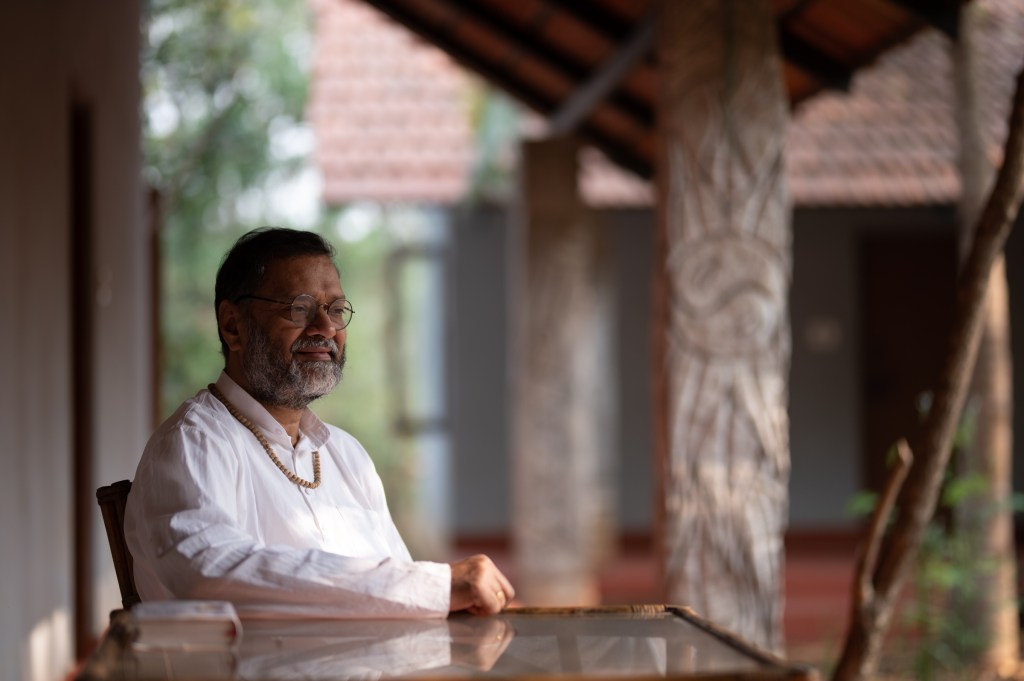
BrahmBodhi stands as a beacon in the spiritual realm, a venerated leader, accomplished author, profound thinker, and dedicated educationist. Holding the esteemed position of Founder and President of the Gita Global Family, he also champions the principles and philosophies as the Head of Bhagavad Dharma, a spiritual path deeply rooted in the teachings of the revered Bhagavad Gita.
Under his visionary leadership, the Gita Global Family has burgeoned into an organization with far-reaching wings, including the educational pioneer Gita Global Gurukul Schools, the enlightening channel of Gita Global Publications, and the yet to be unveiled Gita Dham—a sanctuary conceived to be an amalgamation of a Gita temple, a hub dedicated to poverty alleviation, and a vibrant center promoting art and culture.
BrahmBodhi is committed to unlocking the boundless potential within individuals and communities, propelling them towards a life rich in purpose and fulfillment. A staunch advocate for education and personal growth, he has embarked on a journey of empowerment, seeding knowledge and fostering development for years.
We invite you to delve deeper into the multifaceted world of BrahmBodhi through this portal, designed to be a gateway to his diverse projects and his presence on various social media platforms. Herein, you will find an enriching assembly of his oeuvre, encompassing insightful articles, transformative videos, and enlightening books — all curated to guide you towards a life of heightened fulfillment and purpose.
गुरुदेव प्रणाम🙏🙏 भगवतधर्मी को कौन सा दान करना चाहिए, दान के विभिन्न पहलुओं पर गीता जी के क्या विचार हैं, और समाज में कैसे जीवन यापन करें ताकि समाज में सामंजस्य स्थापित हो सकें ।
उत्तर
दान एक अत्यंत गंभीर विषय है और क्यों दान करें, क्या दान करें, कैसे करें, और किसे करें, यह सभी महत्वपूर्ण पहलू हैं।
दान मानव जीवन का ऐसा मूल्य है जो व्यक्ति को भीतर से भी उन्नत करता है और बाहर की दुनिया को भी सुखी बनाता है। भगवद गीता में दान को केवल एक सामाजिक कर्तव्य नहीं माना गया, बल्कि उसे आत्मिक शुद्धि और लोक-कल्याण का अनिवार्य अंग बताया गया है। दान के पीछे दो मूल कारण हैं—एक आंतरिक और दूसरा बाहरी।
क्यों दान करें : आंतरिक कारण
(क) दान आंतरिक पवित्रता देता है
दान करने से मन निर्मल होता है। गीता कहती है कि दान “पावनानि मनीषिणाम” — अर्थात “दान सज्जनों को पवित्र करता है।” (18:5) अतः दान का पहला उद्देश्य स्वयं को भीतर से शुद्ध करना है। जो देता है वह भीतर से आनंदित और तृप्त अनुभव करता है।
(ख) दान से लोक-कल्याण होता है
दूसरा कारण है—दूसरों का हित। भगवान ने गीता में अनेक स्थानों पर “लोक-संग्रह”, “परोपकार”, “सर्वभूत हित” को मोक्ष-पथ का सहायक बताया है। उन्होंने सन्यासियों तक को इससे मुक्त नहीं किया गया। भगवान कहते हैं कि वास्तविक ऋषि वही हैं जो सब प्राणियों के हित में रत रहते हैं।
अर्थात, “वेद, यज्ञ, तप, और दान से पुण्य मिलता है…।
अर्थात—दान पुण्यदायी है। इसलिए भी दान करना उचित है।
क्या दान करें?
दान का सामान्य अर्थ है—स्वेच्छा से किसी को वह देना जिससे उसका कल्याण हो। इसमें मुख्य रूप से धन आता है, क्योंकि उससे आवश्यकता की कोई भी वस्तुएं खरीदी जा सकती हैं, परंतु दान केवल धन तक सीमित नहीं है।
दान अन्य चीजों का भी किया ज सकता है, जैसे –
धन-दान अन्न-दान वस्त्र-दान, विशेषतः शीतकाल में कंबल, गरम वस्त्र पुस्तक-दान (विद्या का विस्तार) विद्या-दान सेवा-दान भूमि दान अंग-दान, नेत्र-दान, आदि। जिसके पास जो सामर्थ्य है, उसके अनुरूप दान अनिवार्य है।
किसे दान करें? किस प्रकार का दान सर्व श्रेष्ठ है?
भगवान ने इस दृष्टि से तीन प्रकार के दान गीता में बताए हैं (अध्याय 17:20-22) –
दातव्यमिति यद्दानं दीयतेऽनुपकारिणे। देशे काले च पात्रे च तद्दानं सात्त्विकं स्मृतम्॥ 17:20॥ अर्थात, दान देना ही कर्तव्य है, ऐसे भाव से उचित स्थान, उचित समय और उचित पात्र के प्राप्त होने पर, जिसने हमारा कभी कोई उपकार नहीं किया हो ऐसे व्यक्ति के प्रति, या {जिसे दान दिया जा रहा हो उससे} प्रत्युपकार की आशा के बिना, जो दान दिया जाता है, वह दान सात्त्विक दान कहा जाता है।
यत्तु प्रत्युपकारार्थं फलमुद्दिश्य वा पुनः। दीयते च परिक्लिष्टं तद्दानं राजसं स्मृतम्॥ 17:21॥ अर्थ : किंतु जो दान क्लेश-पूर्वक (अनिच्छापूर्वक, या कष्टपूर्वक) तथा बदले में कुछ पाने के उद्देश्य से, या फल को नजर में रखकर दिया जाता है, वह दान राजस दान कहा गया है।
अदेशकाले यद्दानमपात्रेभ्यश्च दीयते। असत्कृतमवज्ञातं तत्तामसमुदाहृतम्॥ 17:22॥ अर्थ : जो दान बिना सत्कार के {या तिरस्कार-पूर्वक}, अनुचित स्थान या समय पर, और कुपात्र यानि गलत या अयोग्य व्यक्ति को दिया जाता है, वह दान तामस कहा गया है।
उपर्युक्त दानों में सात्त्विक दान सर्वश्रेष्ठ है।
जहां तक भागवत धर्मियों द्वारा दान किए जाने का सवाल है, तो उनके लिए यह विधान है कि वह प्रत्येक दिन सुबह अपने गुल्लक में अपनी समर्थ ज्ञानुकूल कुछ धन डाल दिया करें। कुछ लोग ऐसा नहीं करके महीने में एक बार ही धन डाल देते हैं। लेकिन उससे प्रत्येक दिन का पुण्य तो नहीं मिलता। महीने में दी जाने वाली राशि को ही यदि प्रत्येक दिन खंड-खंड में डाला जाए तो प्रत्येक दिन पुण्य प्राप्त होता है।
भागवद धर्मियों के लिए एक विशेष आदर्श यह है कि वह अपने मासिक आय का 10% दान के लिए निकाल दिया करें। उस 10% में से 5% तो सुपात्रों के दान के लिए रखें और 5% गीता के श्लोक 18:69 के आलोक में ईश्वर का परम प्रिय बनने के लिए भगवद गीता की प्रतियां ऐसे लोगों में बांटे जिनके अंदर गीता पढ़ने की रुचि हो। वे लोगों में गीता पढ़ने की रुचि जगाते भी रहें। ध्यान रहे कि भगवान ने गीता के श्लोक 18:69 में यह कहा है : “जो गीता के ज्ञान का प्रसार श्रद्धालुओं में करता है वह मुझे सबसे प्रिय है और उसे प्रिय मुझे भविष्य में कोई दूसरा होगा भी नहीं।”
Discover how to find God amidst household duties through the wisdom of the Bhagavad Gita. Learn practical ways of meditation, name-chanting, and offering daily actions as worship to attain peace and liberation.
Discover why God chose Bharat (India) for His divine incarnations. Explore the unique geography, spiritual heritage, and sacred culture that made India the eternal land of Vedas, sages, and divine manifestations.
Hari Sharanam!
BrahmBodhi stands as a beacon in the spiritual realm, a venerated leader, accomplished author, profound thinker, and dedicated educationist. Holding the esteemed position of Founder and President of the Gita Global Family, he also champions the principles and philosophies as the Head of Bhagavad Dharma, a spiritual path deeply rooted in the teachings of the revered Bhagavad Gita.
Under his visionary leadership, the Gita Global Family has burgeoned into an organization with far-reaching wings, including the educational pioneer Gita Global Gurukul Schools, the enlightening channel of Gita Global Publications, and the yet to be unveiled Gita Dham—a sanctuary conceived to be an amalgamation of a Gita temple, a hub dedicated to poverty alleviation, and a vibrant center promoting art and culture.
BrahmBodhi is committed to unlocking the boundless potential within individuals and communities, propelling them towards a life rich in purpose and fulfillment. A staunch advocate for education and personal growth, he has embarked on a journey of empowerment, seeding knowledge and fostering development for years.
We invite you to delve deeper into the multifaceted world of BrahmBodhi through this portal, designed to be a gateway to his diverse projects and his presence on various social media platforms. Herein, you will find an enriching assembly of his oeuvre, encompassing insightful articles, transformative videos, and enlightening books — all curated to guide you towards a life of heightened fulfillment and purpose.
आज १७ नवंबर २०२५ का दिन है। लंदन में अपने ठहराव का प्रथम चरण पूरा करके मैं लंदन के गेटविक एयरपोर्ट से चलकर स्विट्ज़रलैंड के बाजल एयरपोर्ट पहुंचता हूं। यह ‘ईजी जेट’ नामक कंपनी का विमान है। विमान में पहुंचकर मैं अपनी सीट पर बैठ जाता हूं। जो पहली भिन्नता मेरी दृष्टि में आती है, वह है विमान की परिचारिकाओं का व्यवहार। भारत के विमानों में परिचारिकाएं प्रायः बहुत शिष्ट, मधुर और विनम्र शैली में बात करती हैं। और शिष्टाचार में ब्रिटेन का तो कहना ही क्या! वहां के विमानों में ही नहीं, हर जगह लगभग सभी लोग अत्यंत ही सभ्य व्यवहार के लिए जाने जाते हैं।
ईजी जेट की एक यूरोपीय परिचारिका और एक यूरोपीय महिला यात्री के बीच कुछ क्षणों का छोटा-सा संवाद यह संकेत देता है कि समूचा यूरोप ब्रिटेन जैसा नहीं है। या संभव है कि मुझे एक अपवाद स्वरूप प्रसंग के साक्षात्कार हुए।
विमान समय पर गेटविक से उड़ान भरता है और लगभग दो घंटे में बाज़ल एयरपोर्ट पर उतर जाता है। वहां मेरी पत्नी के ममेरे भाई—शैलेश शरद, उर्फ़ रॉकी—मेरे स्वागत के लिए उपस्थित हैं। सफेद फ्रेंच-कट दाढ़ी, सिर पर कैप, चेहरे पर स्नेह से भीगी मुस्कान, और आंखों में ऐसी नटखट चंचलता जो उम्र की प्रगति को झटकती हुई बीच-बीच में चमक उठती है। बाद में यह छिपा नहीं रहता कि वह वास्तव में एक नटखट इंसान है। किंतु उनका नटखटपन उनके गहन स्नेह और उनकी जीवंतता का ही एक स्वरूप है।
हम उनकी कार में बैठते हैं और उनके घर की ओर निकल पड़ते हैं, जो उनके अनुसार एक गांव में है। भारत और इंग्लैंड के विपरीत, जहां स्टीयरिंग कार के दाहिनी ओर होती है, स्विट्ज़रलैंड में स्टीयरिंग बाईं ओर रहती है।
शैलेश अब स्विट्ज़रलैंड में बस चुके हैं; उनका अपना घर है; उनके दोनों बच्चे स्विस नागरिक हैं। उनके और उनकी पत्नी के पास भी स्विस नागरिकता लेने का अधिकार है, किंतु उन्होंने अब तक उसका प्रयोग नहीं किया। अपने देश से संबंधों के अंतिम औपचारिक धागे को तोड़ देना, विदेशों में सेटल कुछ स्वदेश प्रेमी भारतीयों को भावनात्मक रूप से अत्यंत कठिन लगता है। शैलेश और उनकी धर्म पत्नी दिव्या भी इसी भाव से बंधे हुए हैं—अभी तक रांची की हवा, पानी और मिट्टी में ही उनका मन सना है।
शैलेश और दिव्या अपना कमरा कमरा छोड़ कर उसी में मेरे रुकने की व्यवस्था की है। कमरे में ले जाकर शैलेश मुझे एक रिक्लाइनर सोफ़ा दिखाते हैं, जो बिस्तर के बगल में रखा है। उन्हें किसी से सुनने में आया है कि मैं सोकर उठने के बाद रिक्लाइनर पर बैठकर कुछ पढ़ता हूं। वे मुस्कुराते हुए बताते हैं कि इसकी व्यवस्था विशेष रूप से मेरे लिए की गई है। मैं उनके इस स्नेह और उदारता को देखकर सुखद आश्चर्य में पड़ जाता हूं।
मेरी पत्नी और उनका सारा परिवार अत्यंत स्नेही हैं, लेकिन शैलेश में एक भिन्न आत्मीयता दिखती है।
उनका मकान तीन मंज़िलों का है—बेसमेंट, ग्राउंड फ़्लोर जिसमें लिविंग-रूम और किचन है, और उसके ऊपर चार कमरों का एक और तल।
भोजन का समय हो चुका है। मैं डाइनिंग-टेबल पर बैठ जाता हूं। सामने शैलेश हैं, और बाईं ओर खुले किचन में दिव्या भोजन तैयार कर रही हैं। तभी उनका बेटा रोहिल आता है—दुबला-पतला, लंबा-सा किशोर, चेहरे पर मधुर और मासूम स्नेह की मुस्कान। उसका नाम ‘रोहिल’ के स्थान पर ‘स्नेहिल’ भी हो सकता था।
रोहिल पहले अपने पिताजी के पीछे आ खड़ा होता है और उनके कंधों और गर्दन को उंगलियों से हल्के-हल्के दबाता है—शायद इससे उन्हें आराम मिलता है। फिर वह उनकी पीठ पर अपनी ‘सॉफ़्ट बॉक्सिंग’ शैली में हल्के मुक्के लगता देता है—उसका अपना अनूठा व्यायाम-सह स्नेह-प्रदर्शन। पिता-पुत्र का यह समीकरण अत्यंत सुंदर और हृदयस्पर्शी है।
थोड़ी देर बाद शैलेश उसे संकेत करते हैं कि वह मुझे भी इसी शैली से कंधों और गर्दन पर दबाव दे। मेरा उससे परिचय अभी नहीं हुआ है, इसलिए वह संकोच में पड़ जाता है। फिर मेरी कुर्सी के पीछे आकर वह हल्के-हल्के दबाता है। शैलेश को शायद संतोष नहीं होता; वे स्वयं आकर वही क्रिया दोहराते हैं। मेरी किसी सहमति की प्रतीक्षा नहीं की जाती—प्रेम का स्वभाव ही ऐसा होता है। पूरे परिवार का यह एक सहज, स्नेहपूर्ण संस्कार है।
शैलेश मुझे पुराने जमाने के संबोधन ‘जीजा-जी’ से पुकारते हैं। आजकल यह संबोधन कम ही सुनाई देता है। दिव्या भोजन परोसती हैं—आलू की भाजी, आलू-पनीर की सब्जी, कुछ अन्य तरकारियां, चावल-दाल और रोटियां। विशुद्ध उत्तर भारतीय भोजन। सबसे विशिष्ट है उनकी आलू की एक नई शैली की भाजी—छिलकों सहित अत्यंत कुरकुरे कटे आलू। दिव्या दो-दो मास्टर डिग्री लेने के बाद भी गृह-कार्य को ही अपनी प्रिय भूमिका मानती हैं, और शायद शैलेश भी यही पसंद करते हैं। उनके घर में कोई फ्रोजन फूड नहीं दिखता—जबकि इंग्लैंड और यूरोप में यह आम है, विशेषकर उन घरों में जहां पति-पत्नी दोनों दफ्तर जाते हैं। यहां सब कुछ ताज़ा-ताज़ा है। दिव्या का दिव्य भोजन!
स्विट्ज़रलैंड का मौसम लगभग इंग्लैंड जैसा है। यद्यपि शैलेश का घर उत्तरी स्विट्ज़रलैंड में है, जहां से सीधे आल्प्स और उसके हिमाच्छादित शिखर नहीं दिखाई देते, फिर भी क्षितिज पर सुदूर नीली पहाड़ियों की श्रृंखला दृष्टिगत होती है। पहाड़ियों के रंग इंग्लैंड की तरह ही क्षण-क्षण बदलते रहते हैं—जैसे आकाश के कैनवास पर जलरंगों से उकेरी गई हों।
हवा में ताजगी है, हल्की ठंडक भी है, और आकाश में मेघ-मालाएं तैर रही हैं।
कहने को तो यह “गांव” है, पर भारतीय गांव से इसका कोई साम्य नहीं। पतली, सुंदर कोलतार की सड़कें; स्वच्छ बसें; कहीं कोई गंदगी नहीं; और एक गहरी शांति।
पिछली रात मैं केवल एक घंटे ही सो पाया था, क्योंकि सुबह चार बजे एयरपोर्ट पर रिपोर्टिंग करनी थी। इसके पूर्व पैकिंग भी करनी थी। इसलिए जब बातचीत समाप्त कर अपने कक्ष में लौटता हूं, तो नींद अनायास ही आंखों में उतर आती है।
शाम को शैलेश ने अपने घर पर सत्संग रखा हैं। कुछ परिवार—जो अध्यात्म में गहरी रुचि रखते हैं—आमंत्रित किए गए हैं।
अतिथियों के आगमन पर मुझे नीचे लिविंग-रूम में ले जाया जाता है। मैं आश्चर्य से देखता हूं कि वहां भी मेरे लिए एक रिक्लाइनिंग कुर्सी रखी गई है। इस बार यह सोफा नहीं, कुर्सी है। बाद में पता चलता है कि इसे भी विशेष रूप से मेरे लिए दिव्या के सुझाव पर व्यवस्थित किया गया है। इतनी संवेदनशीलता कम ही देखने को मिलती है।
मैं परिवारों के साथ बैठ जाता हूं। सत्संग का आरंभ होता है। मैं उन्हें बताता हूं कि आज मैं ‘मोक्ष’ या ‘निर्वाण’ की अवधारणा पर प्रकाश डालूंगा, और फिर उनके प्रश्नों के उत्तर दूंगा। यह तय हो जाता है।
संक्षिप्त परिचय के बाद स्पष्ट होता है कि वे सामान्य हिंदू परिवारों जैसे नहीं हैं; वे न केवल शिक्षित हैं, बल्कि धार्मिक साक्षरता भी रखते हैं। उनमें से कुछ तो अध्यात्म में काफी आगे बढ़े हुए प्रतीत होते हैं। किंतु ‘मोक्ष’ की अवधारणा के विषय में अभी पूर्ण स्पष्टता नहीं है। मानसिक स्पष्टता के बिना संशय बना रहता है, और दीर्घकाल तक बना रहने पर यही संशय आत्म कल्याण में बाधा बन जाता है।
भगवान ने भगवद गीता में स्पष्ट कहा है—“संशयात्मा विनश्यति”—अर्थात संशय अकल्याण का निमित्त बनता है।
मैं स्पष्ट करता हूं कि “मोक्ष” का अर्थ है—जन्म-मृत्यु के चक्र से निकलकर सभी दुखों से सदैव के लिए मुक्त हो जाना।
किंतु मोक्ष के भी दो प्रकार होते हैं-
पहला मोक्ष उन साधकों का होता है जो निराकार ईश्वर के उपासक हैं—ध्यान योगी और ज्ञान योगी। इसमें शरीर के न रहने पर आत्मा सीधे उस निराकार परम तत्व में विलीन हो जाती है, जिसे परब्रह्म कहा जाता है। यह विलय वैसा ही है जैसे समुद्र में गिरकर जल की एक बूंदी अपने व्यक्तिगत रूप को खो बैठती है—अस्तित्व रहता है, पर पहचान नहीं रहती।
दूसरा मोक्ष वह है जिसमें आत्मा अपनी व्यक्तिगत पहचान बनाए रखती है, और फिर भी जन्म-मरण के चक्र से सदा के लिए मुक्त हो जाती है। पहले प्रकार को “ब्रह्मनिर्वाण” कहा गया है। “निर्वाण” का अर्थ है बुझ जाना, शांत हो जाना। जैसे दीपक का प्रकाश बुझ जाता है, वैसे ही आत्मा का वैयक्तिक रूप ब्रह्मनिर्वाण में शांत हो जाता है।
दूसरे प्रकार की मुक्ति को “निर्वाण” न कहकर “मोक्ष” कहना अधिक उचित है। या फिर पहले को “निर्गुण निर्वाण” कह सकते हैं और दूसरे को “सगुण निर्वाण”।
सगुण मोक्ष में आत्मा सगुण साकार ईश्वर के लोक (बैकुंठ) पहुंचती है—वह लोक जहां सगुण-साकार ईश्वर (श्रीविष्णु) निवास करते हैं। वहां शुद्ध सत्व का प्रदेश है; रजोगुण और तमोगुण का स्पर्श तक नहीं। उस अवस्था में आत्मा को अमिश्रित और कभी न शेष होने वाला दिव्य आनंद मिलता है। कोई भी दुख उसे छू नहीं पाता।
मेरी चर्चाओं के बाद लंबा प्रश्नोत्तर सत्र चलता है। अंत में यह ठहरता है कि अगले सत्संग में हम यह विचार करेंगे कि मोक्ष प्राप्ति के मार्ग कौन-कौन से हैं।
इस प्रकार स्विट्ज़रलैंड में यह प्रथम दिन एक ऐसे बिंदु पर आकर शेष होता है, जहां मुझे कुछ भावी मुमुक्षुओं के पद चाप सुनाई पड़ते हैं…।
Discover how to find God amidst household duties through the wisdom of the Bhagavad Gita. Learn practical ways of meditation, name-chanting, and offering daily actions as worship to attain peace and liberation.
Discover why God chose Bharat (India) for His divine incarnations. Explore the unique geography, spiritual heritage, and sacred culture that made India the eternal land of Vedas, sages, and divine manifestations.
Hari Sharanam!
BrahmBodhi stands as a beacon in the spiritual realm, a venerated leader, accomplished author, profound thinker, and dedicated educationist. Holding the esteemed position of Founder and President of the Gita Global Family, he also champions the principles and philosophies as the Head of Bhagavad Dharma, a spiritual path deeply rooted in the teachings of the revered Bhagavad Gita.
Under his visionary leadership, the Gita Global Family has burgeoned into an organization with far-reaching wings, including the educational pioneer Gita Global Gurukul Schools, the enlightening channel of Gita Global Publications, and the yet to be unveiled Gita Dham—a sanctuary conceived to be an amalgamation of a Gita temple, a hub dedicated to poverty alleviation, and a vibrant center promoting art and culture.
BrahmBodhi is committed to unlocking the boundless potential within individuals and communities, propelling them towards a life rich in purpose and fulfillment. A staunch advocate for education and personal growth, he has embarked on a journey of empowerment, seeding knowledge and fostering development for years.
We invite you to delve deeper into the multifaceted world of BrahmBodhi through this portal, designed to be a gateway to his diverse projects and his presence on various social media platforms. Herein, you will find an enriching assembly of his oeuvre, encompassing insightful articles, transformative videos, and enlightening books — all curated to guide you towards a life of heightened fulfillment and purpose.
The mission to spread the ideas of the Bhagavad Gita and Bhagavad Dharma brings me to Switzerland.
Discover how to find God amidst household duties through the wisdom of the Bhagavad Gita. Learn practical ways of meditation, name-chanting, and offering daily actions as worship to attain peace and liberation.
Discover why God chose Bharat (India) for His divine incarnations. Explore the unique geography, spiritual heritage, and sacred culture that made India the eternal land of Vedas, sages, and divine manifestations.
Hari Sharanam!
BrahmBodhi stands as a beacon in the spiritual realm, a venerated leader, accomplished author, profound thinker, and dedicated educationist. Holding the esteemed position of Founder and President of the Gita Global Family, he also champions the principles and philosophies as the Head of Bhagavad Dharma, a spiritual path deeply rooted in the teachings of the revered Bhagavad Gita.
Under his visionary leadership, the Gita Global Family has burgeoned into an organization with far-reaching wings, including the educational pioneer Gita Global Gurukul Schools, the enlightening channel of Gita Global Publications, and the yet to be unveiled Gita Dham—a sanctuary conceived to be an amalgamation of a Gita temple, a hub dedicated to poverty alleviation, and a vibrant center promoting art and culture.
BrahmBodhi is committed to unlocking the boundless potential within individuals and communities, propelling them towards a life rich in purpose and fulfillment. A staunch advocate for education and personal growth, he has embarked on a journey of empowerment, seeding knowledge and fostering development for years.
We invite you to delve deeper into the multifaceted world of BrahmBodhi through this portal, designed to be a gateway to his diverse projects and his presence on various social media platforms. Herein, you will find an enriching assembly of his oeuvre, encompassing insightful articles, transformative videos, and enlightening books — all curated to guide you towards a life of heightened fulfillment and purpose.
Building up the human character
🙏🙏 Om Hari Sharanam, Gurudev. What are the essential elements that strengthen a human being’s character? In the age we live in, we deeply need strong character, meaningful social dialogue, and a clear and constructive way of thinking. For guidance on how such qualities can be cultivated and widely shared, we reflect today on this question. 🙏🙏
Dear devotee, You had asked two questions—first, what elements are necessary to build and strengthen human character. Let us reflect on this today.
Human character stands upon three foundations—thought, feeling, and action. Psychologists call them Knowing, Feeling, and Willing. Knowing means right knowledge and right understanding. Feeling means emotional sensitivity and human compassion. And Willing means action, conduct, and behaviour—what we actually do. Thought influences feeling; feeling, in return, shapes thought; and together they determine our conduct.
When thoughts are pure, feelings noble, and actions ethical, a person becomes virtuous; and only then does character become strong.
Now the question arises—From where do these elements come? Human beings receive ideas, values, and inspiration from many sources:
The family
Mass media—television, mobile phones, newspapers, cinema
Books
Friends
Schools
Religious centres—temples, mosques, churches
From the combined influence of these sources, a child’s thoughts are formed, emotions refined, and behaviour shaped.
But today we face a serious challenge: most sources now transmit negative thoughts, negative emotions, and unhealthy models of behaviour. A child’s mind is delicate and absorbs impressions quickly. This is why parents must remain alert from the very beginning.
We cannot lay carpets on every road in the world, but we can wear shoes and protect our feet. In the same way, we must strengthen, purify, and safeguard a child’s inner being—give them a mental armour through which harmful influences cannot enter.
When children are young, impressions are deepest. Therefore: ✓ Show them carefully chosen programmes that inspire good thoughts and goodwill. ✓ The sacred character of Lord Rama is especially helpful in this regard. ✓ Keep books like Amar Chitra Katha at home—children naturally absorb values through pictures. ✓ And all this must be done between the ages of two and six; this is the true period of formation. A pot can be shaped only when the clay is soft; once it is hardened, the task becomes difficult. Yet the encouraging truth is that even a hardened pot may not change its shape, but its colour and polish can still be changed—similarly, even a grown person can be transformed, though the task becomes harder.
The most decisive foundation of a child’s education is the character of the parents themselves. If elders in the house follow bad habits, they lose the moral right to restrain their children. A child’s company must also be good—for company shapes the future.
And in the end, if parents spend even half an hour daily imparting the wisdom of Ramcharit and the Bhagavad Gita, the seeds of noble thought will surely be sown in the child’s mind. Those very seeds, in time, grow into the great banyan tree of a strong and luminous character.
Discover how to find God amidst household duties through the wisdom of the Bhagavad Gita. Learn practical ways of meditation, name-chanting, and offering daily actions as worship to attain peace and liberation.
Discover why God chose Bharat (India) for His divine incarnations. Explore the unique geography, spiritual heritage, and sacred culture that made India the eternal land of Vedas, sages, and divine manifestations.
Hari Sharanam!
BrahmBodhi stands as a beacon in the spiritual realm, a venerated leader, accomplished author, profound thinker, and dedicated educationist. Holding the esteemed position of Founder and President of the Gita Global Family, he also champions the principles and philosophies as the Head of Bhagavad Dharma, a spiritual path deeply rooted in the teachings of the revered Bhagavad Gita.
Under his visionary leadership, the Gita Global Family has burgeoned into an organization with far-reaching wings, including the educational pioneer Gita Global Gurukul Schools, the enlightening channel of Gita Global Publications, and the yet to be unveiled Gita Dham—a sanctuary conceived to be an amalgamation of a Gita temple, a hub dedicated to poverty alleviation, and a vibrant center promoting art and culture.
BrahmBodhi is committed to unlocking the boundless potential within individuals and communities, propelling them towards a life rich in purpose and fulfillment. A staunch advocate for education and personal growth, he has embarked on a journey of empowerment, seeding knowledge and fostering development for years.
We invite you to delve deeper into the multifaceted world of BrahmBodhi through this portal, designed to be a gateway to his diverse projects and his presence on various social media platforms. Herein, you will find an enriching assembly of his oeuvre, encompassing insightful articles, transformative videos, and enlightening books — all curated to guide you towards a life of heightened fulfillment and purpose.
🙏🙏ॐ हरि शरणं गुरुदेव, मानव का चरित्र सुदृढ़ करने में कौन-कौन से आवश्यक तत्व हैं, आज हम जिस दौर से गुज़र रहें हैं हमारे आस-पास सुदृढ़ चरित्र, समाजिक सार्थक संवाद और सही एवं सार्थक सोच के साथ संदेश को व्यापक स्तर पर चलनें में समर्थ हो , मार्गदर्शन हेतु 🙏🙏
प्रिय श्रद्धालु, आपने दो प्रश्न पूछे थे—पहला यह कि मानव चरित्र को सुदृढ़ बनाने के लिए कौन-कौन से तत्व आवश्यक हैं? आज इसी विषय पर विचार करते हैं।
मानवीय चरित्र तीन आधारों पर खड़ा होता है—विचार, संवेदना, और कर्म। मनोवैज्ञानिक इन्हें Knowing, Feeling, और Willing कहते हैं। Knowing—अर्थात सही ज्ञान, सही विचार। Feeling—अर्थात भावना या मानवीय संवेदना। और Willing—अर्थात कर्म, आचरण, व्यवहार; जो हम वास्तव में करते हैं। इनमें विचार भावना को और भावना विचारों को गहराई से प्रभावित करती है। और दोनों मिलकर आचरण को, कर्म को।
जब विचार पवित्र हों, भावनाएँ उदार हों, और कर्म नैतिक हों, तब मनुष्य सद्गुणी बनता है; तभी उसका चरित्र सुदृढ़ होता है।
अब प्रश्न है—ये तत्व आते कहाँ से हैं? मनुष्य को विचार, संस्कार, और प्रेरणा अनेक स्रोतों से मिलती है— (1) परिवार, (2) मास मीडिया—टीवी, मोबाइल, अखबार, सिनेमा, (3) पुस्तकें, (4) मित्र, (5) विद्यालय, और (6) धार्मिक स्थल—मंदिर, मस्जिद, चर्च।
इन सबके मिश्रण से ही बच्चों के विचार बनते हैं, भावनाएँ निखरती हैं, और आचरण की दिशा तय होती है।
लेकिन आज एक गंभीर समस्या है—अधिकतर स्रोतों से नकारात्मक विचार, नकारात्मक भावनाएँ और गलत आचरण की प्रेरणाएँ मिल रही हैं। बच्चों का मन अत्यंत कोमल होता है; वह तुरंत प्रभावित हो जाता है। इसीलिए माता-पिता को प्रारम्भ से ही सजग रहना पड़ेगा।
हम दुनिया की सभी सड़कों पर कालीन नहीं बिछा सकते, पर अपने पैरों में जूते पहनकर स्वयं को सुरक्षित अवश्य रह सकते हैं। इसी प्रकार बच्चों की अंतरात्मा को मजबूत, पवित्र और संरक्षित करना होगा—एक ऐसा मानसिक कवच देना होगा कि बाहरी विषैले प्रभाव उनके भीतर प्रवेश न कर सकें।
बच्चे छोटे हों, तभी उनके मन पर सबसे गहरी छाप पड़ती है। इसलिए— ✓ उन्हें चीन कर ऐसे टीवी कार्यक्रम दिखाएँ जो सद्विचार और सद्भावना जगाएँ। ✓ भगवान राम का पवित्र चरित्र इस कार्य में विशेष सहायक है। ✓ अमर चित्र कथा जैसी पुस्तकें घर में रखें—बच्चे चित्रों के माध्यम से सहज ही संस्कार ग्रहण करते हैं। ✓ और यह सब दो वर्ष से छह वर्ष की उम्र के बीच अवश्य होना चाहिए; यही निर्माण का समय है। घड़ा जब कच्चा होता है तो कुम्हार उसे मनमानी आकृति प्रदान कर सकता है। पक जाने के बाद यह कार्य कठिन हो जाता है। लेकिन अच्छी बात यह है कि पके हुए खड़े का आकार तो नहीं बदला जा सकता भले ही उसका रंग रोगन बदल दिया जाए लेकिन पके हुए मनुष्य को भी परिवर्तित किया जा सकता है, यद्यपि यह कार्य कठिन हो जाता है।
शिक्षा का सबसे निर्णायक आधार है—माता-पिता का अपना चरित्र। यदि घर के बड़े ही गलत आदतों में हों, तो बच्चों को रोकने का नैतिक अधिकार खो देते हैं। बच्चों की संगति भी उत्तम होनी चाहिए—क्योंकि संगत ही मनुष्य का भविष्य गढ़ती है।
और अंत में—यदि माता-पिता प्रतिदिन आधा घंटा बच्चों को रामचरित और भगवद गीता का ज्ञान दें, तो उनके जीवन में सद्विचारों के बीज निश्चय ही पड़ेंगे। वही बीज आगे चलकर महान चरित्र का वटवृक्ष बन जाते हैं।
Discover how to find God amidst household duties through the wisdom of the Bhagavad Gita. Learn practical ways of meditation, name-chanting, and offering daily actions as worship to attain peace and liberation.
Discover why God chose Bharat (India) for His divine incarnations. Explore the unique geography, spiritual heritage, and sacred culture that made India the eternal land of Vedas, sages, and divine manifestations.
Hari Sharanam!
BrahmBodhi stands as a beacon in the spiritual realm, a venerated leader, accomplished author, profound thinker, and dedicated educationist. Holding the esteemed position of Founder and President of the Gita Global Family, he also champions the principles and philosophies as the Head of Bhagavad Dharma, a spiritual path deeply rooted in the teachings of the revered Bhagavad Gita.
Under his visionary leadership, the Gita Global Family has burgeoned into an organization with far-reaching wings, including the educational pioneer Gita Global Gurukul Schools, the enlightening channel of Gita Global Publications, and the yet to be unveiled Gita Dham—a sanctuary conceived to be an amalgamation of a Gita temple, a hub dedicated to poverty alleviation, and a vibrant center promoting art and culture.
BrahmBodhi is committed to unlocking the boundless potential within individuals and communities, propelling them towards a life rich in purpose and fulfillment. A staunch advocate for education and personal growth, he has embarked on a journey of empowerment, seeding knowledge and fostering development for years.
We invite you to delve deeper into the multifaceted world of BrahmBodhi through this portal, designed to be a gateway to his diverse projects and his presence on various social media platforms. Herein, you will find an enriching assembly of his oeuvre, encompassing insightful articles, transformative videos, and enlightening books — all curated to guide you towards a life of heightened fulfillment and purpose.
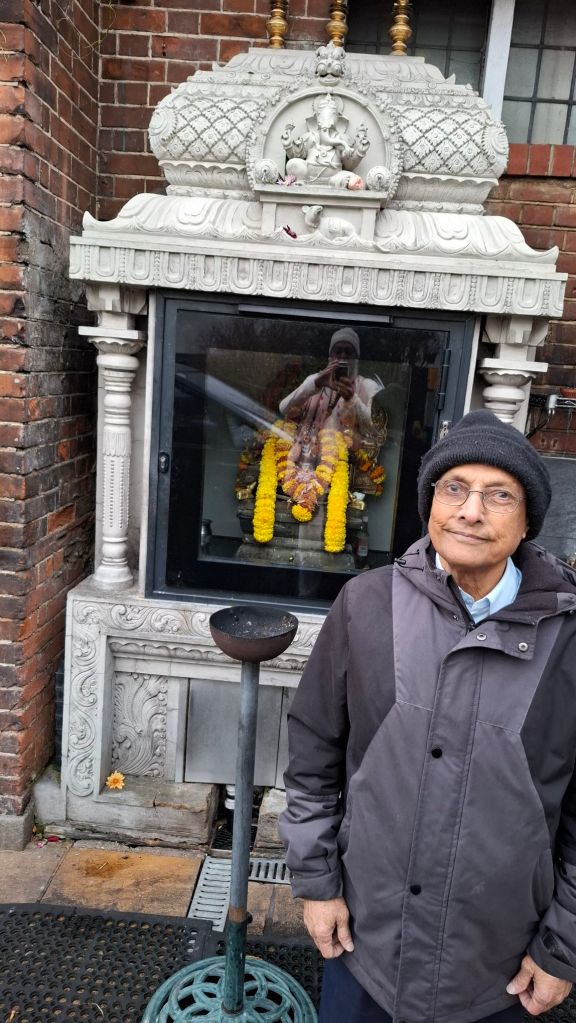
Today I visited Sri Ganapati Temple in Wimbledon, London. It stood within the stone walls of what was once a Scottish church—its spire still pointing heavenward, but now resonant with the soft chime of bells and the fragrance of incense. I chose this temple deliberately, though it was somewhat distant. While browsing through various temples in London on the internet, I found that many were open only for a few hours, and most, when seen online, looked more like renovated halls than traditional temples. This one, however, had a distinct character. From one side, it still resembled a church, but its front bore the graceful façade of a South Indian temple, complete with carved pillars and a sanctum-style entrance. Most attractively, it remained open throughout the day. I thought to myself, there must be someone behind this temple who is wholly devoted to its service. When I met Geetha ji, I knew my assumption was right. Geetha ji, the managing trustee, is a gracious lady of Sri Lankan origin. Her father had purchased the old church years ago and lovingly transformed it into this abode of Lord Ganapati. After his passing, she, now a retired schoolteacher, has continued to nurture it with quiet dignity and tireless devotion. In England, religious education is part of the school curriculum, and children of all faiths are officially taken to various places of worship. With evident pride, she told me that schoolchildren are regularly brought by their teachers to her temple to learn about Hinduism. Religious Education (RE) is compulsory in British schools. The curriculum includes basic teachings of all major faiths, and students not only study the theory but also visit churches, mosques, temples, and gurudwaras to observe how each faith is practised. I mentioned to her that I had written to India’s Education Minister months ago, suggesting that India should also introduce a similar model of religious education in schools. When British authorities frame the RE curriculum, they do so through a standing council of scholars representing all faiths, ensuring that nothing derogatory or inaccurate is included about any religion. This fosters mutual respect and authentic understanding. In India, by contrast, communal disturbances often arise from ignorance—children grow up unaware not only of other faiths but even of their own. We await a thoughtful response from the Education Ministry on this matter. When I shared my mission – to spread the message of the Bhagavad Gita across the world – she listened with warmth and attention. I gifted her my English commentary on the Gita, along with a small 120-page book titled “The Cream of the Bhagavad Gita”, containing fifty-one selected verses for students. These verses are grouped under three themes: lifestyle and conduct, ethics and human values, and spiritual literacy. She appreciated the content and expressed her wish to use it for children who visit the temple as part of their religious learning. As we spoke, she mentioned that she was soon to participate in an interfaith dialogue on peace and asked whether the Gita contained anything on that subject. I smiled—for who could speak of peace better than Krishna Himself? I shared with her two verses that struck me as profoundly relevant to the theme: Īśvaraḥ sarva-bhūtānāṁ hṛd-deśe ’rjuna tiṣṭhati bhrāmayan sarva-bhūtāni yantrārūḍhāni māyayā. (18:61) The Lord dwells in the hearts of all beings, O Arjuna; as if mounted on a machine, causing them to move by His divine power. Tam eva śaraṇaṁ gaccha sarva-bhāvena bhārata tat-prasādāt parāṁ śāntiṁ sthānaṁ prāpsyasi śāśvatam. (18:62) Seek refuge in Him alone with all your heart, O Bharata; by His grace you shall obtain supreme peace and the eternal abode. “These verses,” I told her, “reveal both the cause and the cure of unrest. The world loses peace because man forgets that the Divine dwells in all hearts. True peace returns only when we surrender to God, who dwells in the heart within.” I added, however, that these verses chiefly address inner peace—the peace of the individual soul. The problem of outer peace, the peace among nations and communities, demands additional insights from the Gita and other scriptures. Yet, since her interfaith dialogue permitted only brief quotations, she accepted these two verses with gratitude. The priests in that temple, I noticed, were deeply traditional. The rituals, the chants, and the serene discipline preserved the essence of ancient Hindu worship. Yet I gently shared with Geetha ji another vision of what a temple could be. “A temple,” I said, “should not only be a place of ritual worship. In front of the deity’s idol, there should stand the Bhagavad Gita, open and visible on a high pedestal, reminding devotees that God speaks not only through form but also through wisdom. Let every visit to the temple awaken both devotion and understanding.” She was visibly touched by this idea. I then described to her the concept of our Gita Dham temples. These temples address spiritual poverty through the study of the Gita, while adjoining Poverty Alleviation Centres address material poverty by guiding people toward government schemes, modern agricultural methods, and vocational training—helping semi-educated youth become plumbers, electricians, or skilled workers. We insist, however, that anyone seeking such livelihood support must also enrol in Gita study courses. This condition filters out casual applicants and ensures that beneficiaries grow not only in prosperity but also in character. Thus, they rise above both material and spiritual poverty and become balanced, self-reliant, and morally awakened citizens. She appreciated this holistic vision—of devotion that uplifts and knowledge that liberates. Before leaving, I offered a modest donation of ten pounds for temple maintenance. She brought an envelope, requested me to place the money inside, and put it into the donation box. When I suggested she take it and deposit it later, she smiled gently and said, “We do not accept money personally—it must go straight to the Lord.” Her sincerity reflected the same purity that sustained the temple. The temple was quiet that afternoon, with only two or three visitors. It reminded me of a deeper truth: faith and reverence have been waning not only among the younger generation but also, in part, among their elders. Many fail to see what benefit lies in visiting a temple. Others question why money and effort should be spent on rituals that, to their mind, yield no tangible result. Unfortunately, most priests are trained only in rituals, not in answering the profound questions of modern seekers. For this reason, I have proposed the creation of a new order of clergy—Adhyātma-Āchāryas—priests who are also teachers, trained in philosophy, ethics, and comparative religion, capable of guiding minds as well as conducting ceremonies. Only enlightened guidance can rekindle faith in an age of doubt. Geetha ji informed me that their temple does not run poverty-alleviation programmes like I proposed but provides mental health counselling—a much-needed service in the West, where loneliness and psychological stress have become widespread. I admired this thoughtful adaptation of spiritual service to social need. As our conversation drew to a close, I expressed my desire to visit a nearby church. In England, churches are more visible and accessible than in India, where they are few and far between. With characteristic kindness, she drove me to one and then returned to her duties. I stood for a while before the church—another house of worship, silent and solemn—and then stepped inside. The same sacred presence seemed to breathe through its stillness. Whether one stands before a cross or a conch, a crown or a lamp, the Divine essence remains the same.
Discover how to find God amidst household duties through the wisdom of the Bhagavad Gita. Learn practical ways of meditation, name-chanting, and offering daily actions as worship to attain peace and liberation.
Discover why God chose Bharat (India) for His divine incarnations. Explore the unique geography, spiritual heritage, and sacred culture that made India the eternal land of Vedas, sages, and divine manifestations.
Hari Sharanam!
BrahmBodhi stands as a beacon in the spiritual realm, a venerated leader, accomplished author, profound thinker, and dedicated educationist. Holding the esteemed position of Founder and President of the Gita Global Family, he also champions the principles and philosophies as the Head of Bhagavad Dharma, a spiritual path deeply rooted in the teachings of the revered Bhagavad Gita.
Under his visionary leadership, the Gita Global Family has burgeoned into an organization with far-reaching wings, including the educational pioneer Gita Global Gurukul Schools, the enlightening channel of Gita Global Publications, and the yet to be unveiled Gita Dham—a sanctuary conceived to be an amalgamation of a Gita temple, a hub dedicated to poverty alleviation, and a vibrant center promoting art and culture.
BrahmBodhi is committed to unlocking the boundless potential within individuals and communities, propelling them towards a life rich in purpose and fulfillment. A staunch advocate for education and personal growth, he has embarked on a journey of empowerment, seeding knowledge and fostering development for years.
We invite you to delve deeper into the multifaceted world of BrahmBodhi through this portal, designed to be a gateway to his diverse projects and his presence on various social media platforms. Herein, you will find an enriching assembly of his oeuvre, encompassing insightful articles, transformative videos, and enlightening books — all curated to guide you towards a life of heightened fulfillment and purpose.
विम्बलडन के श्री गणपति मंदिर की यात्रा
आज मैंने लंदन के विम्बलडन स्थित श्री गणपति मंदिर का दर्शन किया। यह मंदिर उन पत्थर की दीवारों के भीतर स्थित है जो कभी एक स्कॉटिश चर्च की थीं—उसका शिखर आज भी आकाश की ओर उठता है, पर अब वहाँ घंटियों की मधुर ध्वनि और धूप-दीप की सुगंध गूँजती है।
मैंने यह मंदिर जानबूझकर चुना था, यद्यपि यह मेरे निवास-स्थान से कुछ दूर था। लंदन के विभिन्न मंदिरों को इंटरनेट पर देखते समय मुझे लगा कि अधिकांश मंदिर केवल कुछ घंटों के लिए ही खुले रहते हैं, और उनमें से कई, जब उन्हें ऑनलाइन देखा जाए, तो पारंपरिक मंदिरों की बजाय नवीनीकृत हॉलों जैसे प्रतीत होते हैं। यह मंदिर, हालांकि, विशिष्ट था। एक ओर से यह अब भी चर्च जैसा दिखता था, लेकिन सामने से इसका स्वरूप एक पारंपरिक दक्षिण भारतीय मंदिर की तरह था—नक्काशीदार स्तंभों और गर्भगृह जैसे प्रवेशद्वार सहित। सबसे आकर्षक बात यह थी कि यह दिनभर खुला रहता था। मैंने सोचा, निश्चय ही इस मंदिर के पीछे कोई ऐसा व्यक्ति होगा जो पूर्ण रूप से इसके प्रति समर्पित है। जब मैं गीता जी से मिली, तो मेरा अनुमान सत्य सिद्ध हुआ।
गीता जी, जो मंदिर की प्रबंध न्यासधारक हैं, श्रीलंका मूल की एक सौम्य महिला हैं। उनके पिता ने वर्षों पहले इस पुराने चर्च को खरीदा और उसे प्रेमपूर्वक भगवान गणपति के इस पवित्र निवास में परिवर्तित किया। उनके निधन के बाद गीता जी—जो अब एक सेवानिवृत्त शिक्षिका हैं—ने शांत गरिमा और अनवरत भक्ति के साथ इस मंदिर की सेवा जारी रखी है।
इंग्लैंड में धार्मिक शिक्षा विद्यालयी पाठ्यक्रम का हिस्सा है। सभी धर्मों के बच्चे आधिकारिक रूप से विभिन्न उपासना स्थलों पर ले जाए जाते हैं। गर्व के साथ उन्होंने बताया कि उनके मंदिर में भी शिक्षक अपने विद्यार्थियों को हिन्दू धर्म के अध्ययन के लिए लाते हैं। धार्मिक शिक्षा (Religious Education – RE) ब्रिटिश विद्यालयों में अनिवार्य है। इस पाठ्यक्रम में सभी प्रमुख धर्मों की मूल शिक्षाएँ सम्मिलित होती हैं, और विद्यार्थी केवल सिद्धांत नहीं पढ़ते, बल्कि चर्च, मस्जिद, मंदिर और गुरुद्वारे जाकर यह भी देखते हैं कि वहाँ उपासना कैसे की जाती है।
मैंने उनसे उल्लेख किया कि कुछ माह पूर्व मैंने भारत के शिक्षा मंत्री को पत्र लिखकर सुझाव दिया था कि भारत में भी विद्यालयों में धार्मिक शिक्षा इसी प्रकार ब्रिटेन की भांति अनिवार्य की जाए। ब्रिटेन में जब धार्मिक शिक्षा का पाठ्यक्रम बनाया जाता है, तो उसमें सभी प्रमुख धर्मों के विद्वानों की एक परिषद सम्मिलित होती है, जो यह सुनिश्चित करती है कि किसी धर्म के बारे में कोई गलत या अपमानजनक बात न लिखी जाए। इससे विभिन्न मतों के बीच आपसी सम्मान और प्रामाणिक समझ विकसित होती है। इसके विपरीत, भारत में धार्मिक अज्ञानता के कारण ही अक्सर साम्प्रदायिक तनाव उत्पन्न हो जाते हैं—बच्चे न तो अपने धर्म को समझते हुए बड़े होते हैं, न दूसरों के। इस विषय पर शिक्षा मंत्रालय से उत्तर की प्रतीक्षा है।
जब मैंने उन्हें अपना उद्देश्य बताया—भगवद्गीता के संदेश को विश्वभर में फैलाना—तो उन्होंने अत्यंत रुचि और आत्मीयता से सुना। मैंने उन्हें अपनी अंग्रेज़ी टीका सहित भगवद्गीता भेंट की, साथ ही “The Cream of the Bhagavad Gita” नामक 120-पृष्ठीय पुस्तक भी दी, जिसमें विद्यार्थियों के लिए चुने गए इक्यावन श्लोक संग्रहीत हैं। ये श्लोक तीन वर्गों में विभाजित हैं—जीवनशैली और आचरण, नैतिकता और मानवीय मूल्य, तथा आध्यात्मिक साक्षरता। उन्होंने उसकी सामग्री की सराहना की और कहा कि वे इसे उन बच्चों के अध्ययन हेतु उपयोग करना चाहेंगी जो मंदिर में धार्मिक शिक्षण के लिए आते हैं।
वार्ता के दौरान उन्होंने बताया कि वे शीघ्र ही “शांति” विषय पर एक अंतरधार्मिक सम्मेलन में भाग लेने जा रही हैं, और पूछा कि क्या गीता में शांति से संबंधित कुछ है। मैंने मुस्कराकर कहा—शांति की बात भगवान श्रीकृष्ण से बढ़कर कौन कह सकता है? मैंने उन्हें दो श्लोक सुनाए जो इस विषय से अत्यंत सुसंगत हैं:
ईश्वरः सर्वभूतानां हृद्देशेऽर्जुन तिष्ठति । भ्रामयन् सर्वभूतानि यन्त्रारूढानि मायया ॥ (१८.६१) हे अर्जुन! परमेश्वर सभी प्राणियों के हृदय में विराजमान हैं, और वे अपनी मायाशक्ति से सबको मानो यंत्रों पर आरूढ़ कर घुमा रहे हैं।
तमेव शरणं गच्छ सर्वभावेन भारत । तत्प्रसादात् परां शान्तिं स्थानं प्राप्स्यसि शाश्वतम् ॥ (१८.६२) हे भारत! उसी परमेश्वर की पूर्ण भक्ति से शरण में जा; उसके प्रसाद से तू परम शांति और शाश्वत धाम प्राप्त करेगा।
मैंने कहा, “ये श्लोक अशांति के कारण और शांति के उपाय—दोनों बताते हैं। जब मनुष्य यह भूल जाता है कि वही ईश्वर सबके हृदयों में विद्यमान है, तभी संसार में असंतोष फैलता है। सच्ची शांति तभी लौटती है जब हम उस परमात्मा के चरणों में, जो हमारे भीतर ही निवास करता है, श्रद्धा और प्रेम से आत्मसमर्पण करते हैं।”
मैंने जोड़ा कि ये श्लोक मुख्यतः आंतरिक शांति—व्यक्ति की आत्मिक शांति—से संबंधित हैं। किंतु बाह्य शांति, अर्थात् समाजों और राष्ट्रों के बीच की शांति, के लिए गीता तथा अन्य शास्त्रों से और भी गहन दृष्टियाँ आवश्यक हैं। फिर भी, क्योंकि उनके संवाद में केवल संक्षिप्त उद्धरणों की अनुमति थी, उन्होंने इन दो श्लोकों को कृतज्ञतापूर्वक स्वीकार किया।
मंदिर के पुजारी अत्यंत पारंपरिक हैं। उनकी वाणी, विधि-विधान और अनुशासन में प्राचीन हिन्दू उपासना की आत्मा विद्यमान है। फिर भी मैंने गीता जी से एक विचार साझा किया—
“मंदिर केवल पूजा-अर्चना का स्थल नहीं होना चाहिए। देवप्रतिमा के समक्ष एक ऊँचे आसन पर भगवद्गीता खुली रखी जानी चाहिए—ताकि भक्त स्मरण रखें कि भगवान केवल मूर्ति के रूप में ही नहीं, ज्ञान के रूप में भी बोलते हैं। मंदिर में आने वाला प्रत्येक व्यक्ति श्रद्धा के साथ-साथ ज्ञान से भी जागृत हो।”
वह इस विचार से गहराई से प्रभावित हुईं।
फिर मैंने उन्हें गीता धाम मंदिरों की परिकल्पना समझाई। ये मंदिर आध्यात्मिक दरिद्रता को गीता के अध्ययन द्वारा दूर करते हैं, जबकि उनके साथ स्थापित गरीबी उन्मूलन केंद्र लोगों को सरकारी योजनाओं, आधुनिक कृषि विधियों और व्यावसायिक प्रशिक्षणों की जानकारी देकर भौतिक दरिद्रता घटाने का प्रयास करते हैं—ताकि अर्धशिक्षित युवक प्लंबर, इलेक्ट्रीशियन या अन्य कुशल कर्मी बन सकें। परंतु हमने एक शर्त रखी है—जो भी व्यक्ति आजीविका-सहायता प्राप्त करना चाहता है, उसे गीता अध्ययन पाठ्यक्रम में भी सम्मिलित होना होगा। इससे केवल वास्तव में इच्छुक लोग आते हैं और वे समृद्धि के साथ-साथ चरित्र में भी विकसित होते हैं। इस प्रकार वे न केवल भौतिक दरिद्रता से ऊपर उठते हैं, बल्कि आध्यात्मिक दरिद्रता से भी मुक्त होकर संतुलित, आत्मनिर्भर और नैतिक रूप से जाग्रत नागरिक बनते हैं।
गीता जी ने इस समग्र दृष्टि—भक्ति जो उन्नत करे, और ज्ञान जो मुक्त करे—की गहराई से प्रशंसा की।
प्रस्थान से पूर्व मैंने मंदिर के रख-रखाव हेतु दस पाउंड का एक छोटा-सा दान दिया। उन्होंने एक लिफाफा लाकर कहा कि मैं उसमें पैसा रख दूँ और स्वयं उसे दान-पेटी में डाल दिया। जब मैंने सुझाव दिया कि वे बाद में डाल सकती हैं, तो वे मुस्कराईं और बोलीं—“हम व्यक्तिगत रूप से दान स्वीकार नहीं करते—यह सीधा भगवान को ही अर्पित होना चाहिए।” उनकी यह सरलता और निष्ठा उसी पवित्रता को दर्शा रही थी जिससे यह मंदिर जीवित है।
उस दोपहर मंदिर शांत था—केवल दो-तीन भक्त उपस्थित थे। मैंने सोचा, यह केवल इस मंदिर की नहीं, एक व्यापक समस्या है—श्रद्धा और भक्ति नई पीढ़ियों में, और आंशिक रूप से पुरानी पीढ़ियों में भी, क्षीण हो रही है। बहुत-से लोग यह नहीं समझ पाते कि मंदिर जाकर क्या लाभ है, और कुछ यह भी सोचते हैं कि पूजा और दीपदान पर इतना समय और धन क्यों व्यय किया जाए, जब उसका कोई प्रत्यक्ष फल दिखाई नहीं देता। दुर्भाग्य से अधिकांश पुजारी केवल विधि-विधान में प्रशिक्षित हैं, आधुनिक जिज्ञासुओं के गहरे प्रश्नों का उत्तर देने में नहीं।
इसीलिए मैंने एक नए वर्ग के आचार्यों—अध्यात्म-आचार्य—की स्थापना का प्रस्ताव रखा है, जो केवल कर्मकाण्ड के नहीं, बल्कि दर्शन, नैतिकता और तुलनात्मक धर्म के भी ज्ञाता हों। वे समाज का मार्गदर्शन ज्ञान और तर्क से कर सकें, ताकि इस संशयकाल में श्रद्धा पुनर्जीवित हो सके।
गीता जी ने बताया कि उनका मंदिर भारत के मंदिरों की तरह गरीबी उन्मूलन के कार्यक्रम तो नहीं चलाता, परंतु वह मानसिक स्वास्थ्य परामर्श प्रदान करता है—जो पश्चिमी समाज में अत्यंत आवश्यक सेवा है, जहाँ एकाकीपन और मानसिक तनाव व्यापक हैं। मैंने इस बात की सराहना की कि उन्होंने सेवा के इस नए आयाम को अपनाया है।
संवाद समाप्त होने पर मैंने निकट के एक चर्च को देखने की इच्छा व्यक्त की। इंग्लैंड में चर्च अधिक सुलभ हैं, जबकि भारत में वे विरले ही दिखाई देते हैं। गीता जी ने स्नेहपूर्वक मुझे वहाँ छोड़ा और फिर अपने कार्यों में लौट गईं।
मैं कुछ देर चर्च के बाहर खड़ा रहा—वह भी एक उपासना-स्थल था, शांत और गंभीर। फिर भीतर गया। वही दिव्य उपस्थिति वहाँ भी थी—एक ही परम सत्ता, चाहे उसके सामने कोई क्रॉस हो या शंख, मुकुट हो या दीप—वह एक ही है, अनादि, अनन्त और सर्वव्यापी।
Discover how to find God amidst household duties through the wisdom of the Bhagavad Gita. Learn practical ways of meditation, name-chanting, and offering daily actions as worship to attain peace and liberation.
Discover why God chose Bharat (India) for His divine incarnations. Explore the unique geography, spiritual heritage, and sacred culture that made India the eternal land of Vedas, sages, and divine manifestations.
Hari Sharanam!
BrahmBodhi stands as a beacon in the spiritual realm, a venerated leader, accomplished author, profound thinker, and dedicated educationist. Holding the esteemed position of Founder and President of the Gita Global Family, he also champions the principles and philosophies as the Head of Bhagavad Dharma, a spiritual path deeply rooted in the teachings of the revered Bhagavad Gita.
Under his visionary leadership, the Gita Global Family has burgeoned into an organization with far-reaching wings, including the educational pioneer Gita Global Gurukul Schools, the enlightening channel of Gita Global Publications, and the yet to be unveiled Gita Dham—a sanctuary conceived to be an amalgamation of a Gita temple, a hub dedicated to poverty alleviation, and a vibrant center promoting art and culture.
BrahmBodhi is committed to unlocking the boundless potential within individuals and communities, propelling them towards a life rich in purpose and fulfillment. A staunch advocate for education and personal growth, he has embarked on a journey of empowerment, seeding knowledge and fostering development for years.
We invite you to delve deeper into the multifaceted world of BrahmBodhi through this portal, designed to be a gateway to his diverse projects and his presence on various social media platforms. Herein, you will find an enriching assembly of his oeuvre, encompassing insightful articles, transformative videos, and enlightening books — all curated to guide you towards a life of heightened fulfillment and purpose.
लंदन में रहते हुए, मैंने सोचा कि कुछ मंदिरों के दर्शन करूँ। अधिकांश मंदिर पुराने चर्चों में स्थापित थे — वे पवित्र स्थल अब अगरबत्ती और भक्ति की सुगंध से पुनर्जीवित हो उठे थे। लेकिन एक मंदिर मुझे विशिष्ट रूप से पारंपरिक लगा। वह भी एक चर्च की इमारत में था, पर उसका अग्रभाग दक्षिण भारतीय शैली में निर्मित था। मैंने निश्चय किया कि मैं उसी मंदिर में जाऊँगा।
वह मंदिर विम्बलडन में था, और वहाँ पहुँचने में लगभग दो घंटे लगे — कई बसों और ट्रेनों को बदलते हुए।
यात्रा के अंतिम भाग में मैंने देखा कि एक वृद्ध एशियाई सज्जन मेरे पास खड़े होकर मुस्कुरा रहे थे। मैंने उन्हें अपने पास बैठने का आग्रह किया। बातचीत आरंभ हुई।
जब मैंने बताया कि मैं गणपति मंदिर खोज रहा हूँ, तो उन्होंने मुस्कराते हुए कहा, “मैं भी वहीं जा रहा हूँ, आप मेरे साथ चलिए।”
जब हम ट्रेन से उतरे, तो मैंने बाहर निकलते समय अपना कार्ड बैरियर पर टैप किया, पर वे बिना टैप किए ही बाहर चले गए। मुझे आश्चर्य हुआ। मैंने पूछा, “आपने कार्ड क्यों नहीं लगाया?” उन्होंने सहज भाव से कहा, “हम जैसे वरिष्ठ नागरिकों के पास यहाँ फ्रीडम पास होता है। इससे हम कहीं भी बिना किराया दिए यात्रा कर सकते हैं।”
यह सुनकर मैं भीतर तक प्रभावित हुआ। बुजुर्गों को सम्मान देने का कितना सुंदर और सजीव तरीका है यह—उन्हें गरिमा, स्वतंत्रता और आत्मनिर्भरता प्रदान करने वाला। काश, भारत में भी ऐसा कोई उपहार अपने वरिष्ठ नागरिकों को दिया जा सके।
हम साथ-साथ मंदिर की ओर चलने लगे। उन्होंने बताया कि उस दिन उनका पचासीवाँ जन्मदिन था। उनका परिवार शाम को मंदिर आएगा, पर वे सुबह ही शांत भाव से भगवान के दर्शन करना चाहते थे। मंदिर पहुँचकर जब उन्होंने जूते उतारे, तब मैंने देखा कि उनका एक पैर कृत्रिम था, फिर भी उनकी चाल में संतुलन और सौम्यता थी। दर्शन के बाद उन्होंने मुझसे अनुमति माँगी, क्योंकि मंदिर का एक भक्त उन्हें कार से उनके घर के पास तक छोड़ने जा रहा था।
“फ्रीडम पास”—यह शब्द मेरे मन में गूंजता रहा। यह केवल एक सामाजिक योजना नहीं, बल्कि एक सुंदर प्रतीक है। वृद्धावस्था में भगवद गीता भी एक महान फ्रीडम पास है। यदि कोई अपने साथ गीता की छोटी प्रति रखे और जब-तब उसका अध्ययन करे, तो वह मन को भूत के बोझ, वर्तमान की पीड़ा, भविष्य की चिंता और मृत्यु के भय से मुक्त कर देती है।
राज्य शरीर को चलने की स्वतंत्रता देता है, पर गीता आत्मा को उड़ने की स्वतंत्रता देती है। फ्रीडम पास बुजुर्ग को मंदिर तक ले जाता है— पर गीता उसे स्वयं भगवान तक पहुँचा देती है।
Discover how to find God amidst household duties through the wisdom of the Bhagavad Gita. Learn practical ways of meditation, name-chanting, and offering daily actions as worship to attain peace and liberation.
Discover why God chose Bharat (India) for His divine incarnations. Explore the unique geography, spiritual heritage, and sacred culture that made India the eternal land of Vedas, sages, and divine manifestations.
Hari Sharanam!
BrahmBodhi stands as a beacon in the spiritual realm, a venerated leader, accomplished author, profound thinker, and dedicated educationist. Holding the esteemed position of Founder and President of the Gita Global Family, he also champions the principles and philosophies as the Head of Bhagavad Dharma, a spiritual path deeply rooted in the teachings of the revered Bhagavad Gita.
Under his visionary leadership, the Gita Global Family has burgeoned into an organization with far-reaching wings, including the educational pioneer Gita Global Gurukul Schools, the enlightening channel of Gita Global Publications, and the yet to be unveiled Gita Dham—a sanctuary conceived to be an amalgamation of a Gita temple, a hub dedicated to poverty alleviation, and a vibrant center promoting art and culture.
BrahmBodhi is committed to unlocking the boundless potential within individuals and communities, propelling them towards a life rich in purpose and fulfillment. A staunch advocate for education and personal growth, he has embarked on a journey of empowerment, seeding knowledge and fostering development for years.
We invite you to delve deeper into the multifaceted world of BrahmBodhi through this portal, designed to be a gateway to his diverse projects and his presence on various social media platforms. Herein, you will find an enriching assembly of his oeuvre, encompassing insightful articles, transformative videos, and enlightening books — all curated to guide you towards a life of heightened fulfillment and purpose.
While in London, I wished to visit a few temples. Most of them, I found, were set up in former churches—sacred spaces reborn with the fragrance of incense and devotion. But one temple – the Sri Ganpati Temple, Wimbledon – looked distinctly traditional. It was also in a church building, but it’s front area was in the South Indian style. I decided to visit this temple.
As it was in Wimbledon, the journey took nearly two hours with several changes between trains and buses.
Towards the end of the train ride, I noticed an elderly Asian gentleman standing close to my seat and looking at me with a gentle smile. I invited him to sit beside me, and we began to talk.
He was eighty-five. When I mentioned that I was searching for the Ganapati temple, he said, “I’m going there too. Come along.”
When we got off the train, I tapped my card at the barrier, but he simply walked through. Curious, I asked how. He said, “We seniors in the UK have a Freedom Pass. It lets us travel anywhere, free of cost.”
The simplicity of that arrangement touched me. What a gracious way to honour the elderly—granting them dignity, mobility, and independence. How meaningful it would be if India too offered such a gift to its senior citizens.
As we walked toward the temple, he told me it was his 85th birthday. His family would come later, but he wished to visit in quiet devotion. I wished him a happy birthday.
When we reached, and he started taking out out his shoes to enter the temple, I noticed that one of his legs was artificial, yet his steps were steady and serene. After his darshan, he ask for my permission to leave since he had found a devotee who could take him to his house in a car.
The phrase Freedom Pass stayed with me. It is not only a social measure but a beautiful symbol. For the aged, the Bhagavad Gita is a greater Freedom Pass. If one carries a small copy of the Gita and reads it wherever possible, it frees the mind from the burden of the past, torments of the present, anxiety of the future, and even the fear of an impending death.
The state can give freedom of movement; the Gita gives freedom of spirit. The Freedom Pass takes the elder to the temple— the Gita takes the elder to God.
Discover how to find God amidst household duties through the wisdom of the Bhagavad Gita. Learn practical ways of meditation, name-chanting, and offering daily actions as worship to attain peace and liberation.
Discover why God chose Bharat (India) for His divine incarnations. Explore the unique geography, spiritual heritage, and sacred culture that made India the eternal land of Vedas, sages, and divine manifestations.
Hari Sharanam!
BrahmBodhi stands as a beacon in the spiritual realm, a venerated leader, accomplished author, profound thinker, and dedicated educationist. Holding the esteemed position of Founder and President of the Gita Global Family, he also champions the principles and philosophies as the Head of Bhagavad Dharma, a spiritual path deeply rooted in the teachings of the revered Bhagavad Gita.
Under his visionary leadership, the Gita Global Family has burgeoned into an organization with far-reaching wings, including the educational pioneer Gita Global Gurukul Schools, the enlightening channel of Gita Global Publications, and the yet to be unveiled Gita Dham—a sanctuary conceived to be an amalgamation of a Gita temple, a hub dedicated to poverty alleviation, and a vibrant center promoting art and culture.
BrahmBodhi is committed to unlocking the boundless potential within individuals and communities, propelling them towards a life rich in purpose and fulfillment. A staunch advocate for education and personal growth, he has embarked on a journey of empowerment, seeding knowledge and fostering development for years.
We invite you to delve deeper into the multifaceted world of BrahmBodhi through this portal, designed to be a gateway to his diverse projects and his presence on various social media platforms. Herein, you will find an enriching assembly of his oeuvre, encompassing insightful articles, transformative videos, and enlightening books — all curated to guide you towards a life of heightened fulfillment and purpose.
“Should We Become Rishis — or Yogis and Saints?”
You have raised a most profound question.
There is a saying — “Old is gold.” That is, what is ancient is precious like gold. Yet this saying is not always true.
The sages you have mentioned were indeed great — but they were not the only ones. Many others, too, were exalted seers and spiritual masters of the highest order. They had attained extraordinary control over their minds and senses. However, the scriptures do not affirm that their control was perfect. This raises a deeper question — what truly is control?
Control means restraining the impulses of the senses and holding back the wanderings of the mind. It is undoubtedly a great achievement — yet it is not the ultimate spiritual perfection. To restrain the mind and senses is an achievement of negation — a negative attainment that says, “This I shall not do, that I shall not do.” But life also demands something more — a positive realization.
To say, “I will not be angry,” is admirable — but not sufficient. The absence of anger is only a negation; the presence of compassion is an affirmation. Between “I will not be angry” and “I will be compassionate” lies the long journey from denial to affirmation. This distinction is subtle but vital.
The word Rishi was used primarily in the Vedic age. Those whom you have mentioned were great ascetics of that era. In modern times, even Swami Dayananda was called a Maharshi because he upheld the Vedas and believed in the Vedic way of life. But after the Vedic period, those who embodied spiritual greatness were not called Rishis; they were revered as Yogis, Saints, Mahatmas, and Paramahansas.
The Vedic Rishis were generally severe ascetics. They performed fire sacrifices, undertook prolonged fasts, and engaged in self-mortifying austerities. As a result of their penances, many developed superhuman powers. Yet it would be wrong to assume that all of them were the highest among the great souls. Many were known to have lost their temper and cursed others — sometimes even one another, and at times, astonishingly, even the Lord Himself.
For instance, through his intense penance, Maharshi Dadhichi’s bones became as hard as thunderbolts, and for the protection of the gods he sacrificed his life. Yet he too was known for his fierce temperament — he once cursed even Lord Vishnu. Rishi Shringi pronounced a death-curse upon King Parikshit, a righteous monarch, for a mere trivial mistake. And Rishi Durvasa — his name itself became a byword for wrath — cursed countless beings.
An episode from Dwarka shows how pride can overshadow wisdom. Once, Rishi Durvasa ordered Lord Krishna and Rukmini to pull his chariot like horses. And behold the humility of the Lord — He said gently to Rukmini, “Come, let us draw his chariot ourselves.” They did so without hesitation — revealing that true saintliness lies not in power, but in humility.
The story of Vashishtha and Vishwamitra is also telling — both cursed each other and became birds. Maharshi Bhrigu, when testing the Trinity, went so far as to strike Lord Vishnu on the chest with his foot. The Lord, however, responded only with compassion.
Even Devarshi Narada, when his desire was unfulfilled, cursed Vishnu. The four sons of Brahma — the Sanaka sages — cursed the gatekeepers of Vaikuntha, Jaya and Vijaya, merely because they said politely, “The Lord is resting; please wait until He grants permission.” In truth, Jaya and Vijaya had committed no offense; they were only performing their duty. Yet, blinded by pride and anger, the sages cursed them — and thus they were born on earth as Ravana, Hiranyakashipu, and Kamsa.
Such episodes from the scriptures reveal a deep yet complex image of the Vedic Rishis. They possessed immense knowledge, penance, and spiritual power — but often lacked compassion, forgiveness, and the purification of ego that only devotion brings. Their minds had not yet been bathed in the nectar of Bhakti.
Only with the awakening of Bhakti does the human ego melt away. Devotion transforms a Rishi into a Saint. A Rishi is the symbol of knowledge; a Saint, of love. Knowledge without love becomes arid; love without knowledge becomes directionless. When devotion illumines knowledge, true saintliness arises.
The Rishis became powerful through austerity; the Saints became divine through love. The Rishis gave curses in anger; the Saints gave blessings in compassion. The Rishis performed outer sacrifices; the Saints made the heart itself their altar.
Of course, not all Rishis were alike — some were deeply forgiving, gentle, and pure-hearted. But by and large, history shows that anger and pride often shadowed their greatness.
Therefore, while we may draw inspiration from the Rishis, it is wiser to make the Saints, the Mahatmas, and the Paramahansas our ideals — for they attained perfection not through penance, but through love.
Ultimately, it is best that we take the Bhagavad Gita as our highest guide — for the Gita does not produce Rishis; it produces Yogis, Saints, and Mahatmas. In its twelfth chapter (verses 13–20) and in the sixteenth chapter (verses 1–3), it describes the making of such realized souls — those whose hearts are free from anger and pride, and filled only with equanimity, devotion, and peace.
Discover how to find God amidst household duties through the wisdom of the Bhagavad Gita. Learn practical ways of meditation, name-chanting, and offering daily actions as worship to attain peace and liberation.
Discover why God chose Bharat (India) for His divine incarnations. Explore the unique geography, spiritual heritage, and sacred culture that made India the eternal land of Vedas, sages, and divine manifestations.
/* Remove extra space under images in post cards */
.wp-block-post-template .wp-block-image { margin-bottom: 0; }
.wp-block-image figcaption:empty { display: none; }
/* If you’re using Gallery for the thumbnail grid */
.wp-block-gallery { gap: 0; }
.wp-block-gallery.has-nested-images figure.wp-block-image { margin: 0; }





 Swami Brahm Bodhi