• दर्शन, उद्देश्य और संस्थागत निर्माण

    1. स्पष्टता क्यों आवश्यक है

    जो भी जीवन-दर्शन मनुष्य के जीवन में परिवर्तन लाना चाहता है, उसका आधार स्पष्टता होना चाहिए।
    स्पष्टता के बिना श्रेष्ठ से श्रेष्ठ विचार भी प्रभावहीन रह जाता है।

    और जब कोई दर्शन स्वयं को संस्थाओं के माध्यम से धरातल पर उतारना चाहता है, तब संस्था-निर्माण की प्रक्रिया उस दर्शन से भी अधिक स्पष्ट होनी चाहिए। दर्शन दिशा देता है; संस्थाएँ उसे निरंतरता, विस्तार और जीवन्त प्रभाव प्रदान करती हैं।

    1. मिशन और विज़न

    गीता ग्लोबल फैमिली (GGF) मानवता के एक वैश्विक परिवार के निर्माण का प्रयास है, जो भगवद्गीता के जीवन-दर्शन से प्रेरित है।

    भगवद्गीता एक विश्व-प्रशंसित आध्यात्मिक ग्रंथ है। यह—

    दैनिक जीवन के लिए व्यावहारिक मार्गदर्शन देती है

    जीवन के संघर्षों के बीच आंतरिक संतुलन सिखाती है

    यहाँ और परलोक—दोनों में दुःख से मुक्ति का मार्ग दिखाती है

    GGF किसी NGO की तरह प्रतिस्पर्धा में नहीं है।
    इसका लक्ष्य सीमित सामाजिक कार्य नहीं, बल्कि सभ्यतागत परिवर्तन है—एक ऐसा परिवर्तन जो आध्यात्मिक समझ पर आधारित हो।

    GGF का उद्देश्य है—

    • समस्त मानवता की आध्यात्मिक एकता
    • रंग, नस्ल, मत और भूगोल से परे जाकर
    • सहयोग, बंधुत्व, पारस्परिक सम्मान, प्रेम
    • तथा समस्त जीवन और पृथ्वी के प्रति आदर-भाव का विकास
    1. दर्शन से कर्म तक

    GGF केवल विचारों तक सीमित नहीं रहता।
    यह भगवद्गीता के दर्शन को संस्थागत निर्माण के माध्यम से धरातल पर उतारता है।

    यह प्रक्रिया चरणबद्ध है, ताकि विकास स्वाभाविक हो, मानवीय संबंध गहरे हों, और कार्य दीर्घकालिक बने.

    चरण एक: लोगों को जोड़ना

    (किसी स्वतंत्र भौतिक ढाँचे की आवश्यकता नहीं)

    यह चरण जागरूकता, अध्ययन और संपर्क पर केंद्रित है।

    पहला कदम : गृह-आधारित गीता अध्ययन समूह

    • घरों में सामूहिक साप्ताहिक गीता अध्ययन जिन्हें “गीता निलयम” कहा जाता है
    • सरल, अनौपचारिक और आत्मीय वातावरण

    दूसरा कदम : गीता का वितरण

    • भगवद्गीता के डिजिटल और मुद्रित संस्करण स्थानीय भाषाओं में
    • विभिन्न आयु-वर्गों और समुदायों के अनुरूप

    तीसरा कदम : डिजिटल जुड़ाव

    GGF वेबसाइट को सब्सक्राइब करना
    भाषा-आधारित व्हाट्सएप समूह में जुड़ना
    नियमित रूप से—
    गीता-आधारित आध्यात्मिक विचार
    जीवन-प्रबंधन मार्गदर्शन
    साथ ही—
    ऑनलाइन गीता पाठ्यक्रम
    जीवन-प्रबंधन और मोक्ष-विद्या पर वेबिनार

    चरण दो: टीम निर्माण

    यह चरण प्रतिबद्धता, आपसी जुड़ाव और सामूहिक उत्तरदायित्व पर केंद्रित है।

    चरण 1: औपचारिक सदस्यता

    गंभीर जुड़ाव वाले औपचारिक सदस्य बन सकते हैं
    पंजीकरण के विकल्प—

    भौतिक सदस्यता-प्रपत्र (जिसे वेबसाइट पर अपलोड किया जाता है)
    या सीधे ऑनलाइन पंजीकरण
    सदस्य अपनी प्रतिबद्धता के प्रतीक रूप में स्वेच्छा से कोई भी सदस्यता राशि अर्पित कर सकते हैं

    महत्वपूर्ण उत्तरदायित्व केवल पंजीकृत सदस्यों को ही सौंपे जाते हैं

    चरण 2: GGF सांस्कृतिक क्लब

    पंजीकृत सदस्य निम्न स्तरों पर GGF संस्कृति क्लब बना सकते हैं—

    ज़िला
    शहर
    बरो
    अथवा समकक्ष स्थानीय इकाई

    मुख्य विशेषताएँ:

    मासिक समागम—किसी के बड़े घर या किराए के सार्वजनिक स्थल पर
    आवश्यक होने पर सीमित सदस्य-शुल्क
    साधारण शाकाहारी जलपान (चाय और नाश्ता)
    मदिरा पूर्णतः वर्जित

    संभावित गतिविधियाँ:
    संक्षिप्त वक्तव्य—

    • रामकथा
    • भागवत कथाएँ
    • गीता-ज्ञान
    • सामूहिक कीर्तन एवं भक्ति-नृत्य

    मुख्यालय द्वारा प्रदत्त
    या स्थानीय वाद्य-परंपराओं के अनुसार विकसित भक्ति गीत एवं सामूहिक भक्ति नृत्य

    ये बैठकें परिवार-सहित आयोजित की जाती हैं, ताकि सभी आयु-वर्ग सम्मिलित हों।
    साझा भोजन और उत्सव से गीता-प्रेमी परिवारों में निकटता, विश्वास और एकता का विकास होता है।

    चरण 3: कोर टीम का गठन

    गीता निलयम और संस्कृति क्लब के मासिक भक्ति उत्सवों के कुछ सप्ताह की नियमित गतिविधि के पश्चात—

    एक कोर टीम गठित की जाती है

    जिसका नेतृत्व वही प्रथम आयोजक (शीट एंकर) करता है, जिसने चरण एक में कार्य आरंभ किया था

    प्रथम आयोजक के दायित्व:

    टीम गठन कर इसकी सूचना मुख्यालय को देना

    प्रस्तुत करना—

    सदस्यों का विवरण और पहचान व
    संक्षिप्त जीवन-परिचय

    पदाधिकारियों के लिए पात्रता-शर्तें [यहाँ] देखी जा सकती हैं।

    समापन

    GGF क्रमशः आगे बढ़ता है—
    घर से समुदाय तक,
    अध्ययन से जीवन तक,
    दर्शन से साझा सभ्यतागत उत्तरदायित्व तक।

    (अगले चरणों की रूप रेखा बाद में दी जाएगी, जिसमें गीता धाम आदि का निर्माण शामिल होगा)

    Discover how to find God amidst
    household duties through the wisdom
    of the Bhagavad Gita. Learn practical
    ways of meditation, name-chanting,
    and offering daily actions as worship
    to attain peace and liberation.

    गीता ग्लोबल फैमिली :

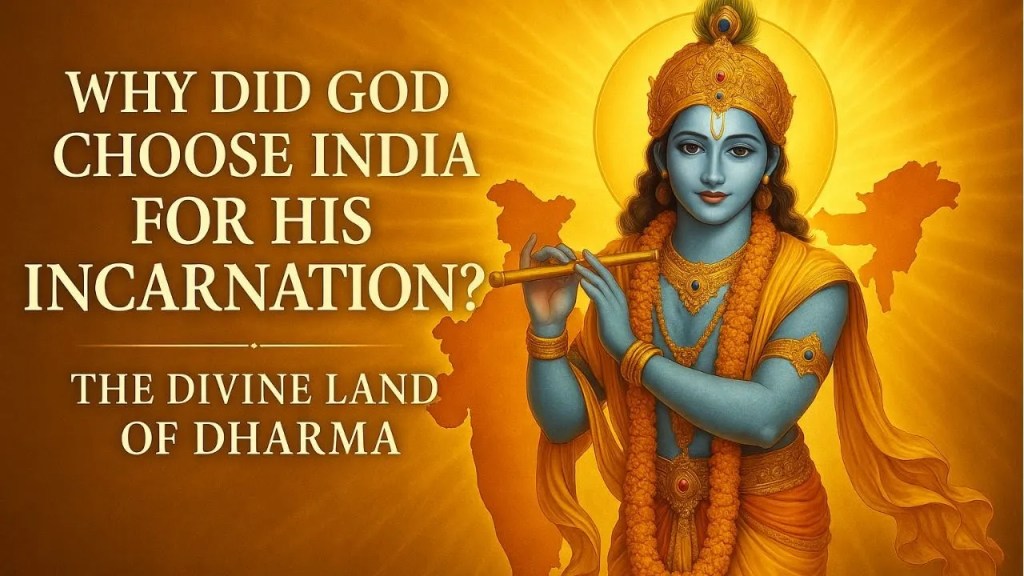
    Discover why God chose Bharat (India)
    for His divine incarnations. Explore the
    unique geography, spiritual heritage, and
    sacred culture that made India the eternal
    land of Vedas, sages, and divine manifestations.


  • From
    Gita Global Family

    Philosophy, Mission, and Institution Building

    1. Why Clarity Comes First

    Any philosophy of life that seeks to transform people must begin with clarity.
    Without clarity, even the highest ideals fail to take root.

    When a philosophy seeks expression through institutions, the process of institution-building must be even clearer than the philosophy itself. Philosophy gives direction; institutions give continuity, reach, and lived impact.

    1. Mission and Vision

    Geeta Global Family (GGF) is an endeavour to build a global family of human beings inspired by the life philosophy of the Bhagavad Gita.

    The Bhagavad Gita is a globally admired spiritual classic. It offers:

    Guidance for daily living

    Inner balance amid life’s struggles

    A path towards freedom from suffering, here and hereafter

    GGF is not an NGO competing for space or recognition.
    Its aim is deeper and wider: a civilizational shift rooted in spiritual understanding.

    GGF works for:

    Spiritual unity of humankind

    Beyond divisions of race, colour, faith, or geography

    Cultivating cooperation, fraternity, mutual respect, love, and reverence for all life and for the Earth

    1. From Philosophy to Action

    GGF does not remain at the level of ideas alone.
    It actively translates the philosophy of the Gita into ground-level reality through institution building.

    This process unfolds in phases, allowing organic growth, human bonding, and long-term sustainability.

    Phase One: Involving People

    (No physical infrastructure required)

    This phase focuses on awareness, learning, and connection.

    Step 1: Home-Based Gita Study Groups

    Weekly Gita study circles in homes

    Called Gita Nilayams

    Simple, informal, and welcoming

    Step 2: Gita Distribution

    Digital and printed editions of the Bhagavad Gita

    Available in local languages

    Adapted for different age groups and communities

    Step 3: Digital Connection

    Subscription to the GGF website

    Language-specific WhatsApp groups

    Regular sharing of:

    Gita-based spiritual insight

    Life-management guidance

    Access to:

    Online Gita courses

    Webinars on life management and Moksha Vidya

    Phase Two: Team Building

    This phase focuses on commitment, bonding, and collective responsibility.

    Step 1: Formal Membership

    Sincere participants may become formal members

    Registration options:

    Physical membership form (uploaded to the website)

    Direct online registration

    Members are encouraged to contribute any voluntary amount as a sign of commitment

    Higher responsibilities are entrusted only to registered members

    Step 2: GGF Culture Clubs

    Registered members may form GGF Culture Clubs at:

    District

    City

    Borough

    Or equivalent local levels

    Key features:

    Monthly gatherings at homes or hired public places

    Modest paid membership, if needed, to cover basic expenses

    Simple vegetarian refreshments (tea and snacks only)

    No alcohol

    Activities may include:

    Short talks on:

    Ram Katha

    Stories from the Bhagavatam

    Concise Gita reflections

    Collective kirtan with devotional dance

    Devotional compositions:

    Provided by headquarters

    Or developed locally using regional music and instruments

    These gatherings are family-inclusive, encouraging participation of all age groups.
    Shared meals and celebrations help build closeness, trust, and unity among Gita-loving families.

    Step 3: Formation of the Core Team

    After a few weeks of regular activity:

    A core team may be formed

    Led by the sheet anchor who initiated the work in Phase One

    Responsibilities of the sheet anchor:

    Inform the headquarters about team formation

    Submit:

    Names and identity details of members

    Brief biographies

    Eligibility conditions for office-bearers are available [here].

    Closing Note

    GGF grows step by step—
    from homes to communities,
    from learning to living,
    from philosophy to shared civilizational responsibility.

    Discover how to find God amidst
    household duties through the wisdom
    of the Bhagavad Gita. Learn practical
    ways of meditation, name-chanting,
    and offering daily actions as worship
    to attain peace and liberation.

    An Invitation

    Discover why God chose Bharat (India)
    for His divine incarnations. Explore the
    unique geography, spiritual heritage, and
    sacred culture that made India the eternal
    land of Vedas, sages, and divine manifestations.


  • गीता ग्लोबल फैमिली की ओर से

    दर्शन, उद्देश्य और संस्थागत निर्माण

    1. स्पष्टता क्यों आवश्यक है

    जो भी जीवन-दर्शन मनुष्य के जीवन में परिवर्तन लाना चाहता है, उसका आधार स्पष्टता होना चाहिए।
    स्पष्टता के बिना श्रेष्ठ से श्रेष्ठ विचार भी प्रभावहीन रह जाता है।

    और जब कोई दर्शन स्वयं को संस्थाओं के माध्यम से धरातल पर उतारना चाहता है, तब संस्था-निर्माण की प्रक्रिया उस दर्शन से भी अधिक स्पष्ट होनी चाहिए। दर्शन दिशा देता है; संस्थाएँ उसे निरंतरता, विस्तार और जीवन्त प्रभाव प्रदान करती हैं।

    1. मिशन और विज़न

    गीता ग्लोबल फैमिली (GGF) मानवता के एक वैश्विक परिवार के निर्माण का प्रयास है, जो भगवद्गीता के जीवन-दर्शन से प्रेरित है।

    भगवद्गीता एक विश्व-प्रशंसित आध्यात्मिक ग्रंथ है। यह—

    दैनिक जीवन के लिए व्यावहारिक मार्गदर्शन देती है

    जीवन के संघर्षों के बीच आंतरिक संतुलन सिखाती है

    यहाँ और परलोक—दोनों में दुःख से मुक्ति का मार्ग दिखाती है

    GGF किसी NGO की तरह प्रतिस्पर्धा में नहीं है।
    इसका लक्ष्य सीमित सामाजिक कार्य नहीं, बल्कि सभ्यतागत परिवर्तन है—एक ऐसा परिवर्तन जो आध्यात्मिक समझ पर आधारित हो।

    GGF का उद्देश्य है—

    • समस्त मानवता की आध्यात्मिक एकता
    • रंग, नस्ल, मत और भूगोल से परे जाकर
    • सहयोग, बंधुत्व, पारस्परिक सम्मान, प्रेम
    • तथा समस्त जीवन और पृथ्वी के प्रति आदर-भाव का विकास
    1. दर्शन से कर्म तक

    GGF केवल विचारों तक सीमित नहीं रहता।
    यह भगवद्गीता के दर्शन को संस्थागत निर्माण के माध्यम से धरातल पर उतारता है।

    यह प्रक्रिया चरणबद्ध है, ताकि विकास स्वाभाविक हो, मानवीय संबंध गहरे हों, और कार्य दीर्घकालिक बने.

    चरण एक: लोगों को जोड़ना

    (किसी स्वतंत्र भौतिक ढाँचे की आवश्यकता नहीं)

    यह चरण जागरूकता, अध्ययन और संपर्क पर केंद्रित है।

    पहला कदम : गृह-आधारित गीता अध्ययन समूह

    • घरों में सामूहिक साप्ताहिक गीता अध्ययन जिन्हें “गीता निलयम” कहा जाता है
    • सरल, अनौपचारिक और आत्मीय वातावरण

    दूसरा कदम : गीता का वितरण

    • भगवद्गीता के डिजिटल और मुद्रित संस्करण स्थानीय भाषाओं में
    • विभिन्न आयु-वर्गों और समुदायों के अनुरूप

    तीसरा कदम : डिजिटल जुड़ाव

    GGF वेबसाइट को सब्सक्राइब करना
    भाषा-आधारित व्हाट्सएप समूह में जुड़ना
    नियमित रूप से—
    गीता-आधारित आध्यात्मिक विचार
    जीवन-प्रबंधन मार्गदर्शन
    साथ ही—
    ऑनलाइन गीता पाठ्यक्रम
    जीवन-प्रबंधन और मोक्ष-विद्या पर वेबिनार

    चरण दो: टीम निर्माण

    यह चरण प्रतिबद्धता, आपसी जुड़ाव और सामूहिक उत्तरदायित्व पर केंद्रित है।

    चरण 1: औपचारिक सदस्यता

    गंभीर जुड़ाव वाले औपचारिक सदस्य बन सकते हैं
    पंजीकरण के विकल्प—

    भौतिक सदस्यता-प्रपत्र (जिसे वेबसाइट पर अपलोड किया जाता है)
    या सीधे ऑनलाइन पंजीकरण
    सदस्य अपनी प्रतिबद्धता के प्रतीक रूप में स्वेच्छा से कोई भी सदस्यता राशि अर्पित कर सकते हैं

    महत्वपूर्ण उत्तरदायित्व केवल पंजीकृत सदस्यों को ही सौंपे जाते हैं

    चरण 2: GGF सांस्कृतिक क्लब

    पंजीकृत सदस्य निम्न स्तरों पर GGF संस्कृति क्लब बना सकते हैं—

    ज़िला
    शहर
    बरो
    अथवा समकक्ष स्थानीय इकाई

    मुख्य विशेषताएँ:

    मासिक समागम—किसी के बड़े घर या किराए के सार्वजनिक स्थल पर
    आवश्यक होने पर सीमित सदस्य-शुल्क
    साधारण शाकाहारी जलपान (चाय और नाश्ता)
    मदिरा पूर्णतः वर्जित

    संभावित गतिविधियाँ:
    संक्षिप्त वक्तव्य—

    • रामकथा
    • भागवत कथाएँ
    • गीता-ज्ञान
    • सामूहिक कीर्तन एवं भक्ति-नृत्य

    मुख्यालय द्वारा प्रदत्त
    या स्थानीय वाद्य-परंपराओं के अनुसार विकसित भक्ति गीत एवं सामूहिक भक्ति नृत्य

    ये बैठकें परिवार-सहित आयोजित की जाती हैं, ताकि सभी आयु-वर्ग सम्मिलित हों।
    साझा भोजन और उत्सव से गीता-प्रेमी परिवारों में निकटता, विश्वास और एकता का विकास होता है।

    चरण 3: कोर टीम का गठन

    गीता निलयम और संस्कृति क्लब के मासिक भक्ति उत्सवों के कुछ सप्ताह की नियमित गतिविधि के पश्चात—

    एक कोर टीम गठित की जाती है

    जिसका नेतृत्व वही प्रथम आयोजक (शीट एंकर) करता है, जिसने चरण एक में कार्य आरंभ किया था

    प्रथम आयोजक के दायित्व:

    टीम गठन कर इसकी सूचना मुख्यालय को देना

    प्रस्तुत करना—

    सदस्यों का विवरण और पहचान व
    संक्षिप्त जीवन-परिचय

    पदाधिकारियों के लिए पात्रता-शर्तें [यहाँ] देखी जा सकती हैं।

    समापन

    GGF क्रमशः आगे बढ़ता है—
    घर से समुदाय तक,
    अध्ययन से जीवन तक,
    दर्शन से साझा सभ्यतागत उत्तरदायित्व तक।

    (अगले चरणों की रूप रेखा बाद में दी जाएगी, जिसमें गीता धाम आदि का निर्माण शामिल होगा)
    Discover how to find God amidst
    household duties through the wisdom
    of the Bhagavad Gita. Learn practical
    ways of meditation, name-chanting,
    and offering daily actions as worship
    to attain peace and liberation.

    आमंत्रण

    Discover why God chose Bharat (India)
    for His divine incarnations. Explore the
    unique geography, spiritual heritage, and
    sacred culture that made India the eternal
    land of Vedas, sages, and divine manifestations.


  • प्रश्न :
    गुरुदेव प्रणाम🙏🙏
    ये स्थूल, सूक्ष्म और कारण शरीर क्या होता है और आत्मा का इन शरीरों के साथ क्या सम्बंध है?
    कृप्या इसकी विस्तृत जानकारी प्रदान करे🙏🙏

    उत्तर (ब्रह्म बोधि):

    स्थूल शरीर उस शरीर को कहते हैं जिसमें हाथ, पैर, हृदय, फेफड़े, मस्तिष्क आदि स्थूल रूप में विद्यमान होते हैं। साधारण भाषा में इसी को ‘शरीर’ कहा जाता है। इसे देखा और छुआ जा सकता है, और यही शरीर मृत्यु को प्राप्त होता है।

    सूक्ष्म शरीर इसी स्थूल शरीर के भीतर स्थित होता है। स्थूल शरीर की मृत्यु के पश्चात यह कुछ समय तक बिना किसी स्थूल शरीर के रहता है। इस सूक्ष्म शरीर की सामान्य अर्थों में ‘मृत्यु’ नहीं होती। जब अंततः सूक्ष्म शरीर का भी नाश हो जाता है, तब आत्मा को मोक्ष की प्राप्ति होती है।

    सारी आध्यात्मिक साधना का अंतिम फल सूक्ष्म शरीर का नाश ही है, जिससे आत्मा मोक्ष को प्राप्त कर सके।

    वेदांत में इसे सूक्ष्म शरीर कहा गया है, जबकि सांख्य दर्शन इसी को लिंग शरीर कहता है।

    कारण शरीर का उल्लेख सांख्य दर्शन में नहीं मिलता, परंतु वेदांत दर्शन में इसका वर्णन है। फिर भी सामान्य मत यह है कि इसे ‘शरीर’ कहना उपयुक्त नहीं। इसे प्रायः अज्ञान या अविद्या कहा जाता है। सरल शब्दों में कहें तो यह वह ‘गोंद’ है, जो आत्मा को सूक्ष्म शरीर से, और उसके माध्यम से स्थूल शरीर से, चिपकाए रखता है। अर्थात संसार से आत्मा को बाँधने वाला कारण यही अज्ञान या अविद्या है।

    जिस दिन यह गोंद नष्ट हो जाता है, उसी दिन आत्मा का सूक्ष्म शरीर (और स्थूल शरीर) से संबंध छूट जाता है। तब आत्मा मोक्ष को प्राप्त होकर परम गति को प्राप्त करती है, संसार से सदा के लिए मुक्त हो जाती है, पुनर्जन्म के चक्र से छूट जाती है, और निर्वाण को प्राप्त होती है।

    सूक्ष्म शरीर या लिंग शरीर को 17, और कभी-कभी 18 तत्त्वों से निर्मित बताया गया है। इनमें मन, बुद्धि और अहंकार; पाँच ज्ञानेंद्रियाँ और पाँच कर्मेंद्रियाँ अपने सूक्ष्म रूप में; तथा पाँच तन्मात्राएँ सम्मिलित हैं।

    पाँच तन्मात्राएँ

    पाँच तन्मात्राएँ भारतीय दर्शन, विशेषतः सांख्य और योग, में उन सूक्ष्म तत्त्वों को कहा गया है जिनसे आगे चलकर स्थूल भौतिक जगत का निर्माण होता है। संक्षेप में, तन्मात्राएँ इंद्रियों द्वारा अनुभव होने वाले गुणों के सूक्ष्म बीज हैं।

    1. शब्द तन्मात्रा
      – ध्वनि का सूक्ष्म कारण
      – श्रवण (कान) से संबंधित
      – इससे आकाश तत्त्व की उत्पत्ति होती है
    2. स्पर्श तन्मात्रा
      – स्पर्श का सूक्ष्म कारण
      – त्वचा से संबंधित
      – इससे वायु तत्त्व उत्पन्न होता है
    3. रूप तन्मात्रा
      – दृश्य रूप का सूक्ष्म कारण
      – नेत्र से संबंधित
      – इससे अग्नि (तेज) तत्त्व बनता है
    4. रस तन्मात्रा
      – स्वाद का सूक्ष्म कारण
      – जिह्वा से संबंधित
      – इससे जल तत्त्व उत्पन्न होता है
    5. गंध तन्मात्रा
      – गंध का सूक्ष्म कारण
      – नासिका से संबंधित
      – इससे पृथ्वी तत्त्व बनता है

    इस क्रम को इस प्रकार समझा जा सकता है—

    प्रकृति → तन्मात्राएँ → पंचमहाभूत → स्थूल जगत

    अर्थात जो कुछ हम इंद्रियों से अनुभव करते हैं, उसके मूल में पहले तन्मात्राएँ होती हैं, फिर पंचमहाभूत, और अंततः यह दृश्य संसार।

    थोड़ा और विस्तार से देखें तो सूक्ष्म शरीर में पिछले जन्मों के सभी संस्कार, स्मृतियाँ और भाव संग्रहीत रहते हैं। यही सूक्ष्म शरीर हमारी वास्तविक सांसारिक पहचान है। स्थूल शरीर की मृत्यु के बाद यही सूक्ष्म शरीर नए स्थूल शरीर में प्रवेश करता है और इस प्रकार जन्म-प्रतिजन्म आगे बढ़ता रहता है।

    जब तत्त्वज्ञान, आत्मसाक्षात्कार या आत्म-प्राप्ति होती है, तब अविद्या का नाश हो जाता है। वह गोंद नष्ट हो जाता है, जो आत्मा को सूक्ष्म शरीर से चिपकाए हुए था। परिणामस्वरूप आत्मा जन्म-मृत्यु के चक्र से मुक्त होकर मोक्ष को प्राप्त होती है।

    इस प्रकार आत्मा के जिन विभिन्न स्तरों या आवरणों की चर्चा होती है, उनमें स्थूल शरीर और सूक्ष्म शरीर को तो हमने जाना, किंतु कारण शरीर को ‘शरीर’ न मानकर अज्ञान या अविद्या के रूप में समझा।

    किन्तु आगम ग्रंथों में एक अन्य प्रकार के शरीर—भुवनज शरीर—का भी उल्लेख मिलता है। सूक्ष्म शरीर जब स्थूल शरीर से निकलकर स्वर्ग, नरक, शिवलोक या वैकुंठ लोक आदि में जाता है, तो प्रत्येक भुवन या लोक में उसे एक विशेष भुवनज शरीर प्राप्त होता है।

    महोपाध्याय पंडित गोपीनाथ कविराज—जो आगम साहित्य के महान विद्वान थे—लिखते हैं कि प्रत्येक लोक में प्राप्त भुवनज शरीर उस लोक की प्रकृति के अनुसार भिन्न होता है। इस विषय का विस्तार यहाँ आवश्यक नहीं है। नरक में प्राप्त भुवनज शरीर को यातना शरीर कहा गया है। यह ऐसा शरीर होता है, जिसे बार-बार क्षतिग्रस्त कर पुनः रचित किया जा सकता है, ताकि जीव बार-बार यातनाओं का अनुभव कर सके। उदाहरणतः यदि किसी दंड में शरीर जल जाता है, तो अगली यातना देने के लिए वही शरीर पुनर्निमित किया जाता है। रामचरितमानस में भी इस यातना शरीर का उल्लेख मिलता है।

    कुछ शास्त्रों में सूक्ष्म शरीर के आकार का भी वर्णन किया गया है। एक वर्णन के अनुसार यदि बाल की नोक के एक हजार भाग किए जाएँ, और फिर उन में से एक भाग के सौ और भाग कर दिए जाएँ, तो उस सौवें भाग के बराबर सूक्ष्म शरीर का आकार बताया गया है।

    गीता में प्रत्यक्ष या निहतार्थ रूप में स्थूल और सूक्ष्म शरीरों का तथा अज्ञान के कारण उनसे आत्मा का जुड़ाव बने रहने का उल्लेख है तथा अज्ञान के नाश के द्वारा इन दोनों शरीरों से मुक्त हो कर मोक्ष प्राप्त करने के सिद्धांत का समर्थन है।

    Discover how to find God amidst
    household duties through the wisdom
    of the Bhagavad Gita. Learn practical
    ways of meditation, name-chanting,
    and offering daily actions as worship
    to attain peace and liberation.

    स्थूल, सूक्ष्म और कारण शरीर

    Discover why God chose Bharat (India)
    for His divine incarnations. Explore the
    unique geography, spiritual heritage, and
    sacred culture that made India the eternal
    land of Vedas, sages, and divine manifestations.


  • Revered Gurudev, pranam 🙏🙏

    What are the gross body, the subtle body, and the causal body?
    And what is the relationship of the soul with these bodies?

    Kindly provide a detailed explanation of this. 🙏🙏

    Answer (Brahm Bodhi)

    Translation

    The gross body is the body in which the hands, feet, heart, lungs, brain, and other organs exist in a tangible form. In ordinary language, this alone is called the ‘body’. It can be seen and touched, and it is this body that undergoes death.

    The subtle body exists within this gross body. After the death of the gross body, it remains for some time without any gross body. In the ordinary sense, this subtle body does not ‘die’. When, ultimately, the subtle body too is destroyed, the Self attains liberation (moksha).

    The final fruit of all spiritual practice is the destruction of the subtle body, so that the Self may attain liberation.

    In Vedanta it is called the subtle body, whereas in Sankhya philosophy the same is termed the “linga body.”

    The causal body is not mentioned in Sankhya philosophy, but it is described in Vedanta. Even so, the general view is that it is not appropriate to call it a ‘body’. It is usually referred to as ignorance or “avidya” which is the cause of the bondage (because of which it is called the “causal body”.) Put simply, it is the ‘glue’ that keeps the Self attached to the subtle body, and through it, to the gross body. In other words, this ignorance or avidya is the cause that binds the Self to the world.

    The day this glue is destroyed, on that very day the Self’s connection with the subtle body (and the gross body) is severed. Then the Self attains liberation and the supreme state, becomes forever free from the world, is released from the cycle of rebirth, and attains nirvana.

    The subtle body or linga body is said to be composed of seventeen, and sometimes eighteen, elements. These include the mind, intellect, and ego; the five organs of knowledge and the five organs of action in their subtle forms; and the five tanmatras.

    The Five Tanmatras

    In Indian philosophy, especially Sankhya and Yoga, the five tanmatras are the subtle principles from which the gross material world later arises. In brief, tanmatras are the subtle seeds of the qualities experienced by the senses.

    1. Sound tanmatra
      – The subtle cause of sound
      – Related to hearing (the ear)
      – From this arises the element of space (ākāśa)
    2. Touch tanmatra
      – The subtle cause of touch
      – Related to the skin
      – From this arises the element of air (vāyu)
    3. Form tanmatra
      – The subtle cause of visible form
      – Related to the eyes
      – From this arises the element of fire (agni or tejas)
    4. Taste tanmatra
      – The subtle cause of taste
      – Related to the tongue
      – From this arises the element of water (jala)
    5. Smell tanmatra
      – The subtle cause of smell
      – Related to the nose
      – From this arises the element of earth (pṛthvī)

    This sequence may be understood as follows:

    Prakriti → Tanmatras → Five Great Elements → Gross World

    That is, at the root of everything we experience through the senses are first the tanmatras, then the five great elements, and finally this visible world.

    Seen a little more closely, all impressions, memories, and dispositions from previous births are stored in the subtle body. This subtle body is our real worldly identity. After the death of the gross body, it is this subtle body that enters a new gross body, and thus birth after birth continues.

    When true knowledge of reality, Self-realization, or realization of the Self occurs, ignorance is destroyed. That glue which had kept the Self attached to the subtle body is dissolved. As a result, the Self becomes free from the cycle of birth and death and attains liberation.

    Thus, among the various levels or coverings of the Self that are discussed, we have understood the gross body and the subtle body, while the causal body has been understood not as a ‘body’ but as ignorance or avidya.

    However, in the Āgama texts, another kind of body—the bhuvanaja body—is also mentioned. When the subtle body leaves the gross body and goes to heaven, hell, the realm of Shiva, or Vaikuntha, it receives a specific bhuvanaja body appropriate to each realm.

    Mahopadhyaya Pandit Gopinath Kaviraj, one of the great scholars of Āgamic literature, writes that the bhuvanaja body obtained in each realm differs according to the nature of that realm. A detailed discussion is not necessary here. The bhuvanaja body obtained in hell is called the body of torment. It is such a body that can be repeatedly damaged and then re-created, so that the being may experience suffering again and again. For example, if the body is burned as part of a punishment, the same body is reconstructed to inflict the next torment. The Ramcharitmanas also mentions this body of torment (yatana shareer).

    Some scriptures also describe the size of the subtle body. According to one account, if the tip of a hair is divided into a thousand parts, and then one of those parts is further divided into a hundred parts, the subtle body is said to be equal in size to that hundredth part.

    In the Gita, either directly or implicitly, there is mention of the gross and subtle bodies, of the Self’s continued attachment to them due to ignorance, and of the principle that by destroying ignorance one becomes free from both bodies and attains liberation.

    Discover how to find God amidst
    household duties through the wisdom
    of the Bhagavad Gita. Learn practical
    ways of meditation, name-chanting,
    and offering daily actions as worship
    to attain peace and liberation.

    Gross, Subtle, and Causal Bodies

    Discover why God chose Bharat (India)
    for His divine incarnations. Explore the
    unique geography, spiritual heritage, and
    sacred culture that made India the eternal
    land of Vedas, sages, and divine manifestations.


  • नया वर्ष : नया आत्म-चिंतन

    🌿 नया वर्ष—केवल उत्सव नहीं, आत्म-नवीकरण का अवसर 🌿

    नया वर्ष 1 जनवरी को मनाया जाए या चैत्र शुक्ल प्रतिपदा को—
    यह प्रश्न गौण है।
    महत्वपूर्ण यह है कि हम नया वर्ष कैसे जीते हैं।

    यह वीडियो किसी परंपरा का विरोध नहीं करता, न ही किसी उत्सव को नकारता है।
    यह केवल एक शांत, गहरा प्रश्न रखता है—

    👉 क्या नया वर्ष आत्म-चिंतन और आत्म-शुद्धि का अवसर बन सकता है?

    यदि उत्सव है, तो आनंद हो। पर क्या उस आनंद में दान, करुणा और संवेदनशीलता भी स्थान पा सकते हैं?

    इस विचारपूर्ण संदेश में आप पाएँगे—
    🌱 नया वर्ष आत्म-नवीकरण का अवसर कैसे बने
    🌱 दान औपचारिक नहीं, दैनिक साधना कैसे बने
    🌱 छोटे-छोटे नियमित दान से चेतना कैसे बदलती है
    🌱 क्यों दान केवल दूसरों के लिए नहीं, स्वयं की आत्मा के लिए आवश्यक है

    ✨ हर दिन नया हो सकता है
    ✨ हर क्षण नया वर्ष बन सकता है
    ✨ बस दृष्टि और संकल्प बदलने की आवश्यकता है

    इस नए वर्ष पर—
    कुछ अपने लिए करें,
    कुछ समाज के लिए करें,
    और कुछ अपनी आत्मा के लिए अवश्य करें।

    🌸 आपका नया वर्ष मंगलमय हो। 🌸


    भगवद्गीता की गहन शिक्षाओं में गहर से जानने के लिए हमारे एक खास समूह में आप शामिल हो सकते हैं। यह ग्रुप सिर्फ उन लोगों के लिए विशेष तौर पर बनाया गया है जो अपनी आध्यात्मिक प्रगति और जीवन निर्माण के प्रति गंभीर हैं। हर रविवार की सुबह, ग्रुप प्रश्नोत्तर सत्र के लिए खुलता है, जहाँ आप जीवन निर्माण अथवा धर्म और अध्यात्म से संबंधित कोई भी प्रश्न पूछ सकते हैं। आपके प्रश्नों के उत्तर एक एक कर प्रसिद्ध आध्यात्मिक मार्गदर्शक श्रीयुत ब्रह्मबोधी द्वारा दिया जाएगा। जुड़ने के लिए लिंक पर क्लिक करें और अपनी नई अध्यात्म-यात्रा की शुरू करें। https://chat.whatsapp.com/BtWT19h1bq812WY6SvwCWc

    Discover how to find God amidst
    household duties through the wisdom
    of the Bhagavad Gita. Learn practical
    ways of meditation, name-chanting,
    and offering daily actions as worship
    to attain peace and liberation.

    Discover why God chose Bharat (India)
    for His divine incarnations. Explore the
    unique geography, spiritual heritage, and
    sacred culture that made India the eternal
    land of Vedas, sages, and divine manifestations.


  • Discover how to find God amidst
    household duties through the wisdom
    of the Bhagavad Gita. Learn practical
    ways of meditation, name-chanting,
    and offering daily actions as worship
    to attain peace and liberation.

    Departure from Dubai to India: 29 Dec 2025

    Discover why God chose Bharat (India)
    for His divine incarnations. Explore the
    unique geography, spiritual heritage, and
    sacred culture that made India the eternal
    land of Vedas, sages, and divine manifestations.


  • I have boarded the plane that will take me from Boston, USA, to Dubai in the United Arab Emirates, on my way to Bharat.

    I left Bharat on 25 October 2025, beginning a journey that was to take me through parts of Europe, then England, and finally the United States. After completing my engagements in Europe and spending a rewarding stretch of time in England, I arrived in the USA on 5 December.

    I had intended to remain there for a longer period. However, I soon realised that from 15 December to 15 January much of the country slips into a near-complete pause. Offices and universities close, academic life recedes, and campuses begin to awaken again only around the third week of January. In effect, the nation enters a collective holiday.

    Thus, quite unexpectedly, I found myself in the midst of a forced leisure, with little structured work to pursue. I was informed that before 20 January none of my talks or programmes would materialise in the USA. Waiting for such a long interval seemed unreasonable. I therefore decided to return to India, and to revisit the United States later, with clearer planning and at a more suitable time.

    My return to India was also necessitated by the need to ensure that the draft law I had sent to the Prime Minister’s Office, seeking early enactment by Parliament, received due attention. This draft law is an initiative intended to strengthen and empower Hinduism for centuries to come.

    Yet, even within this relatively short stay in America—an active engagement of hardly twelve days—my time in the USA proved remarkably productive. In New York and the surrounding areas, I visited several temples and delivered a series of spiritual talks, coordinated by Sri Rahul Sur involving Sri BalaGuru, Sri Vikram and Sri Abhilash Tewari. From there, I travelled to Austin, Texas, for a three-day visit on invitation.

    Austin—often spoken of today as the city of Elon Musk—was, for me, significant for a different reason. There, I had the privilege of addressing and guiding the Tattva Academy, run in association with the Chinmaya Mission by a group of devoted Indians, led by Sri Dinesh Rajshekharan and his wife, Tulsi. The academy is dedicated primarily to the children of the Indian diaspora, who grow up between two worlds and often struggle to find a language that binds them to their roots.

    In Austin, I also spoke at the Shiva Durga Shakti Temple before a gathering of Indian families, on the theme of Mokshavidya and the paths to liberation. The temple’s priest, Pandit Krishna Pandey, is doing commendable work in drawing youth and families into regular and meaningful participation in temple life—an effort that quietly resists cultural drift without aggression or anxiety.

    Another significant moment in Austin was a presentation on the condition of Indians in the United States and the vulnerabilities they face. Delivered by Mr Arun Kumar, who leads an advocacy group there, it was deeply eye-opening.

    My stay in New York City was equally fruitful. My friend Sri Rahul Sur, who has been associated with the United Nations for quite long, played an instrumental role in arranging several meetings with leaders of the Indian diaspora, both in person and through virtual conferences. These interactions revealed a community that is outwardly successful, yet inwardly searching—for cohesion, for voice, and for a shared civilisational purpose.

    Taken together, it was an unusually intense journey through Europe, England, and the United States. I had planned to include Africa in this itinerary, but that visit has now been deferred. I hope to undertake it separately before long.

    With no option but to accept the enforced lull after mid-December, I chose to visit my niece in Boston. From there, I booked a ticket to Dubai, to visit the new temple near Abu Dhabi and to explore certain possibilities in the UAE. After a brief four-day stay in Dubai, I am scheduled to fly onward to Bengaluru.

    Owing to the pace and pressure of these engagements, I have not yet been able to record my experiences in full. Still, whenever time permitted, I noted down and published fragments of my travelogue. These were written in snatches of time—between flights, meetings, and quiet late evenings—and they reflect immediacy rather than completeness. I intend to return to them, and to write more detailed pieces focused on particular journeys and on specific encounters with people in the UK, Europe, and the United States.

    As readers may recall, on the very first morning of my arrival in New York, while looking out of the window of Sri Rahul Sur’s nineteenth-floor apartment at the box-shaped buildings of Manhattan—of varying sizes, colours, and heights—I had an unusual encounter with the Statue of Liberty. She appeared before me, spoke to me, and vanished into thin air before I could utter a word in reply.

    Thereafter, I encountered her many times. She would appear suddenly, speak, and disappear again—often leaving me little opportunity to respond. I was in no haste to speak to her. I wished first to listen—to observe, to absorb, and to form a first-hand appraisal of the American civilisation in whose name she stood. Only after listening, I felt, does one earn the right to speak.

    I did, however, respond to her on many occasions—and at times placed her in troubled reflection, and at other times quietened her.

    I now wish to pen down those encounters with the Statue of Liberty—in the supposed land of liberty, the United States—as part of this unfolding travelogue.

    I depart America with heartfelt gratitude to all those who hosted me and helped me advance my mission, even if only in part. This includes my first host Rahul and Meenaji at Manhatten, NY, Ashvin and Rakhi at Austin, and my last host, Dr Srinivas K. Rao, Ph.D., a renowned scientist residing in Glen Oaks, New York. Though I could not spend much time with Mrs and Mr Rao, I had a lively and engaging intellectual discussion with Dr Rao during the four-hour drive from New York to Boston, in his self-driven automatic Tesla. By calendar age he may be a senior citizen, but what the French philosopher Bergson called élan vital in him remains wholly unfaded. I also vividly recall the young Pranay Aggarwal’s eager efforts to connect me with many groups across the USA. Thanks also to Ankur Saloni, and the little Dhruva my hosts at Boston.

    As I write this piece, I can hear the announcement by the cabin crew that the plane is preparing for take-off, and that we must fasten our seatbelts and shut down our electronic equipment. I look out of the window and find Ms Liberty hovering in the air, waving at me. I promise her that we shall meet again—before long—when I return to complete my mission, and to carry forward my conversations with her.

    Discover how to find God amidst
    household duties through the wisdom
    of the Bhagavad Gita. Learn practical
    ways of meditation, name-chanting,
    and offering daily actions as worship
    to attain peace and liberation.

    A Pause, Not a Farewell America!

    Discover why God chose Bharat (India)
    for His divine incarnations. Explore the
    unique geography, spiritual heritage, and
    sacred culture that made India the eternal
    land of Vedas, sages, and divine manifestations.


  • मैं उस विमान में सवार हो चुका हूँ जो मुझे अमेरिका के बोस्टन से संयुक्त अरब अमीरात के दुबई ले जाएगा, भारत लौटने के मार्ग में।

    मैंने 25 अक्टूबर 2025 को भारत छोड़ा था। यह यात्रा यूरोप के कुछ देशों, फिर इंग्लैंड, और अंततः संयुक्त राज्य अमेरिका तक जाने के लिए थी। यूरोप में अपने कार्यक्रम पूरे करने और इंग्लैंड में संतोषजनक समय बिताने के बाद, मैं 5 दिसंबर को अमेरिका पहुँचा।

    मेरा इरादा वहाँ अधिक समय तक ठहरने का था। किंतु शीघ्र ही मुझे यह अनुभव हुआ कि 15 दिसंबर से 15 जनवरी के बीच देश का बड़ा हिस्सा लगभग ठहराव में चला जाता है। कार्यालय और विश्वविद्यालय बंद हो जाते हैं, शैक्षणिक गतिविधियाँ शिथिल पड़ जाती हैं, और परिसर जनवरी के तीसरे सप्ताह के आसपास ही फिर से सक्रिय होते हैं। वस्तुतः पूरा राष्ट्र एक सामूहिक अवकाश में प्रवेश कर जाता है।

    इस प्रकार, अनपेक्षित रूप से, मैं एक ऐसे विवश अवकाश के बीच आ गया, जिसमें करने योग्य कोई सुव्यवस्थित कार्य शेष नहीं था। मुझे यह भी बताया गया कि 20 जनवरी से पहले अमेरिका में मेरे किसी भी व्याख्यान या कार्यक्रम के साकार होने की संभावना नहीं है। इतने लंबे अंतराल की प्रतीक्षा मुझे उचित नहीं लगी। अतः मैंने भारत लौटने और अधिक स्पष्ट योजना तथा उपयुक्त समय के साथ अमेरिका को फिर से देखने का निर्णय लिया।

    भारत वापसी का एक कारण यह भी था कि प्रधानमंत्री कार्यालय को भेजे गए उस प्रारूप विधेयक पर आवश्यक ध्यान सुनिश्चित किया जाए, जिसे संसद द्वारा शीघ्र पारित किए जाने का आग्रह किया गया है। यह विधेयक आने वाली सदियों के लिए हिंदू धर्म को सुदृढ़ और समर्थ बनाने की एक पहल है।

    फिर भी, अमेरिका में इस अपेक्षाकृत अल्प प्रवास—लगभग बारह दिनों की सक्रिय सहभागिता—के भीतर ही मेरा समय अत्यंत उपयोगी सिद्ध हुआ। न्यूयॉर्क और उसके आसपास के क्षेत्रों में मैंने कई मंदिरों का भ्रमण किया और अनेक आध्यात्मिक प्रवचन दिए। वहाँ से मैं आमंत्रण पर तीन दिनों के लिए ऑस्टिन, टेक्सस गया।

    आजकल ऑस्टिन को प्रायः एलन मस्क के नगर के रूप में बताया जाता है, किंतु मेरे लिए इसका महत्व कुछ और था। वहाँ मुझे चिन्मय मिशन के सहयोग से संचालित तत्त्व अकादमी को संबोधित करने और मार्गदर्शन देने का सौभाग्य मिला। इसे समर्पित भारतीयों के एक समूह द्वारा संचालित किया जाता है, जिनका नेतृत्व श्री दिनेश राजशेखरन और उनकी पत्नी तुलसी कर रहे हैं। यह अकादमी मुख्यतः प्रवासी भारतीयों के बच्चों के लिए समर्पित है, जो दो संस्कृतियों के बीच बड़े होते हैं और अपनी जड़ों से जुड़ने के लिए एक भाषा खोजते रहते हैं।

    ऑस्टिन में मैंने शिव दुर्गा शक्ति मंदिर में भी भारतीय परिवारों की एक सभा को ‘मोक्षविद्या और मुक्ति के मार्ग’ विषय पर संबोधित किया। मंदिर के पुजारी पंडित कृष्ण पांडेय युवाओं और परिवारों को नियमित तथा सार्थक रूप से मंदिर जीवन से जोड़ने का सराहनीय कार्य कर रहे हैं—यह प्रयास बिना किसी आक्रामकता या चिंता के सांस्कृतिक विचलन का शांत प्रतिरोध करता है।

    ऑस्टिन का एक और महत्त्वपूर्ण क्षण वहाँ अमेरिका में भारतीयों की स्थिति और उनके सामने उपस्थित संवेदनशीलताओं पर एक प्रस्तुति था। इसे वहाँ एक एडवोकेसी समूह का नेतृत्व करने वाले श्री अरुण कुमार ने प्रस्तुत किया। यह प्रस्तुति अत्यंत आँखें खोलने वाली थी।

    न्यूयॉर्क नगर में मेरा प्रवास भी उतना ही फलदायी रहा। मेरे मित्र श्री राहुल सुर, जो संयुक्त राष्ट्र संघ से जुड़े रहे हैं, ने प्रत्यक्ष और आभासी बैठकों के माध्यम से प्रवासी भारतीय समुदाय के कई नेताओं से मेरी मुलाकातें कराने में महत्त्वपूर्ण भूमिका निभाई। इन संवादों से एक ऐसा समुदाय सामने आया जो बाह्य रूप से सफल है, किंतु अंतर्मन से एकता, स्वर और साझा सभ्यतागत उद्देश्य की खोज में है।

    समग्र रूप से देखें तो यह यूरोप, इंग्लैंड और अमेरिका की एक अत्यंत सघन यात्रा थी। इस यात्रा में अफ्रीका को भी सम्मिलित करने की योजना थी, किंतु वह अब स्थगित हो गई है। आशा है कि निकट भविष्य में उसे अलग से संपन्न कर सकूँगा।

    दिसंबर के मध्य के बाद आए इस अनिवार्य ठहराव को स्वीकार करते हुए, मैंने बोस्टन में अपनी भांजी से मिलने का निश्चय किया। वहीं से मैंने दुबई का टिकट बुक किया—अबू धाबी के निकट बने नए मंदिर के दर्शन और संयुक्त अरब अमीरात में कुछ संभावनाओं के अन्वेषण के लिए। दुबई में चार दिनों के संक्षिप्त प्रवास के बाद मेरी आगे की उड़ान बेंगलुरु के लिए निर्धारित है।

    इन कार्यक्रमों की तीव्रता और दबाव के कारण मैं अभी तक अपने अनुभवों को पूर्ण रूप से दर्ज नहीं कर पाया हूँ। फिर भी, जहाँ-जहाँ समय मिला, मैंने अपने यात्रा-वृत्तांत के अंश लिखकर प्रकाशित किए। ये लेख उड़ानों, बैठकों और शांत देर रातों के बीच लिखे गए—इसलिए इनमें पूर्णता से अधिक तात्कालिकता है। मेरा इरादा है कि मैं इन पर फिर लौटूँ और इंग्लैंड, यूरोप तथा अमेरिका में हुई विशिष्ट यात्राओं और व्यक्तियों से हुए विशेष संवादों पर अधिक विस्तार से लिखूँ।

    पाठकों को स्मरण होगा कि न्यूयॉर्क में अपने आगमन की पहली ही सुबह, जब मैं श्री राहुल सुर के उन्नीसवीं मंजिल के अपार्टमेंट की खिड़की से मैनहैटन की विभिन्न आकार, रंग और ऊँचाई वाली चौकोर इमारतों को देख रहा था, तब मेरी स्वतंत्रता की प्रतिमा (स्टेचू ऑफ़ लिबर्टी) से एक विचित्र भेंट हुई थी। वह मेरे सामने प्रकट हुईं, मुझसे बोलीं, और मेरे उत्तर देने से पहले ही अदृश्य हो गईं।

    इसके बाद उनसे मेरी अनेक बार भेंट हुई। वह अचानक प्रकट होतीं, बोलतीं और फिर ओझल हो जातीं—अक्सर मुझे उत्तर देने का अवसर भी नहीं मिलता। मुझे उनसे बात करने की कोई जल्दी नहीं थी। मैं पहले सुनना चाहता था—देखना, समझना और उस अमेरिकी सभ्यता का प्रत्यक्ष आकलन करना, जिसके नाम पर वह खड़ी थीं। मुझे लगता है कि सुन लेने के बाद ही बोलने का अधिकार प्राप्त होता है।

    फिर भी, कई अवसरों पर मैंने उन्हें उत्तर दिया—कभी उन्हें गहन विचार में डालते हुए, तो कभी उन्हें शांत करते हुए।

    अब मैं उन सभी संवादों को—स्वतंत्रता की तथाकथित भूमि, संयुक्त राज्य अमेरिका में स्वतंत्रता की प्रतिमा के साथ हुए—इस यात्रा-वृत्तांत के अंग के रूप में लेखबद्ध करना चाहता हूँ।

    मैं अमेरिका से विदा ले रहा हूँ, उन सभी के प्रति हृदय से कृतज्ञता के साथ जिन्होंने मुझे आतिथ्य दिया और मेरे उद्देश्य को, भले ही आंशिक रूप से, आगे बढ़ाने में सहायता की। इनमें न्यूयॉर्क, मैनहैटन में मेरे प्रथम आतिथ्यदाता राहुल और मीनाजी; ऑस्टिन में अश्विन और राखी; तथा मेरे अंतिम आतिथ्यदाता, न्यूयॉर्क के ग्लेन ओक्स में निवास करने वाले, विख्यात वैज्ञानिक डॉ श्रीनिवास के. राव सम्मिलित हैं। यद्यपि श्री और श्रीमती राव के साथ अधिक समय नहीं बिता सका, फिर भी न्यूयॉर्क से बोस्टन की चार घंटे की यात्रा में, उनकी स्वयं संचालित स्वचालित टेस्ला कार में, डॉ राव के साथ मेरी एक जीवंत और विचारोत्तेजक बौद्धिक चर्चा हुई। कैलेंडर की आयु से वे भले ही वरिष्ठ हों, पर फ्रांसीसी दार्शनिक बर्गसों ने जिसे ‘एलां वीताल’ कहा है, वह उनमें पूर्णतः अक्षुण्ण है। मुझे युवा प्रणय अग्रवाल के वे उत्साही प्रयास भी स्मरण हैं, जिनके माध्यम से उन्होंने मुझे अमेरिका भर के अनेक समूहों से जोड़ने का प्रयास किया। बोस्टन में मेरे आतिथ्यदाता अंकुर, सलोनी और नन्हे ध्रुव का भी मैं आभार व्यक्त करता हूँ।

    यह लेख लिखते समय, केबिन क्रू की घोषणा सुनाई दे रही है कि विमान उड़ान भरने की तैयारी कर रहा है और हमें सीट बेल्ट बाँधने तथा इलेक्ट्रॉनिक उपकरण बंद करने होंगे। मैं खिड़की से बाहर देखता हूँ और पाता हूँ कि सुश्री लिबर्टी हवा में मँडराती हुई मुझे हाथ हिला रही हैं। मैं उनसे वादा करता हूँ कि हम शीघ्र ही फिर मिलेंगे—जब मैं अपना अधूरा कार्य पूर्ण करने और उनसे चल रहे संवादों को आगे बढ़ाने के लिए पुनः लौटूँगा।

    Discover how to find God amidst
    household duties through the wisdom
    of the Bhagavad Gita. Learn practical
    ways of meditation, name-chanting,
    and offering daily actions as worship
    to attain peace and liberation.

    एक विराम, विदाई नहीं अमेरिका!

    Discover why God chose Bharat (India)
    for His divine incarnations. Explore the
    unique geography, spiritual heritage, and
    sacred culture that made India the eternal
    land of Vedas, sages, and divine manifestations.


  • Discover how to find God amidst
    household duties through the wisdom
    of the Bhagavad Gita. Learn practical
    ways of meditation, name-chanting,
    and offering daily actions as worship
    to attain peace and liberation.

    At Chalrles Darwin’s House in London, United Kingdom

    Discover why God chose Bharat (India)
    for His divine incarnations. Explore the
    unique geography, spiritual heritage, and
    sacred culture that made India the eternal
    land of Vedas, sages, and divine manifestations.


/* Remove extra space under images in post cards */ .wp-block-post-template .wp-block-image { margin-bottom: 0; } .wp-block-image figcaption:empty { display: none; } /* If you’re using Gallery for the thumbnail grid */ .wp-block-gallery { gap: 0; } .wp-block-gallery.has-nested-images figure.wp-block-image { margin: 0; }